Language
  EN
EN RU
RU ES
ES DE
DE EL
EL IT
IT JA
JA KO
KO PT
PT ID
ID SR
SR UK
UK VI
VI TH
TH TR
TR MS
MS BE
BE AR
ARCR819S Common Rail Test Bench: The Ultimate High Pressure Common Rail Pump Tester & Diesel Fuel Injector Testing Machine
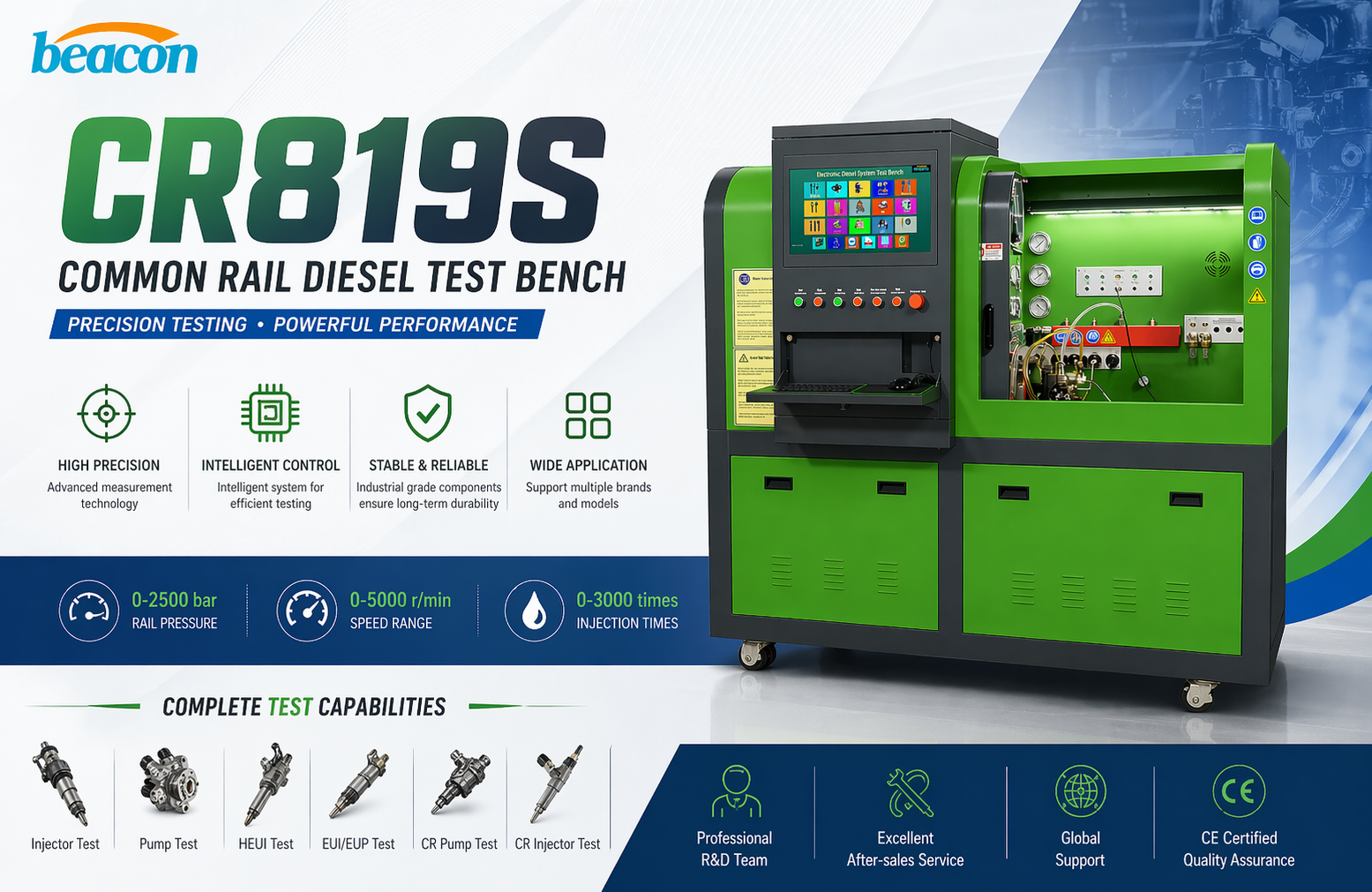
CR819S Common Rail Test Bench: The Ultimate High Pressure Common Rail Pump Tester & Diesel Fuel Injector Testing Machine
In the rapidly evolving world of diesel engine diagnostics, precision and versatility are non-negotiable. Whether you are running a diesel repair workshop or a fuel injection service center, having reliable testing equipment is the backbone of your business. Today, we are taking an in-depth look at the CR819S Common Rail Test Bench, a state-of-the-art high pressure common rail pump tester and diesel fuel injector testing machine designed to handle the most demanding diagnostic tasks with unparalleled accuracy.
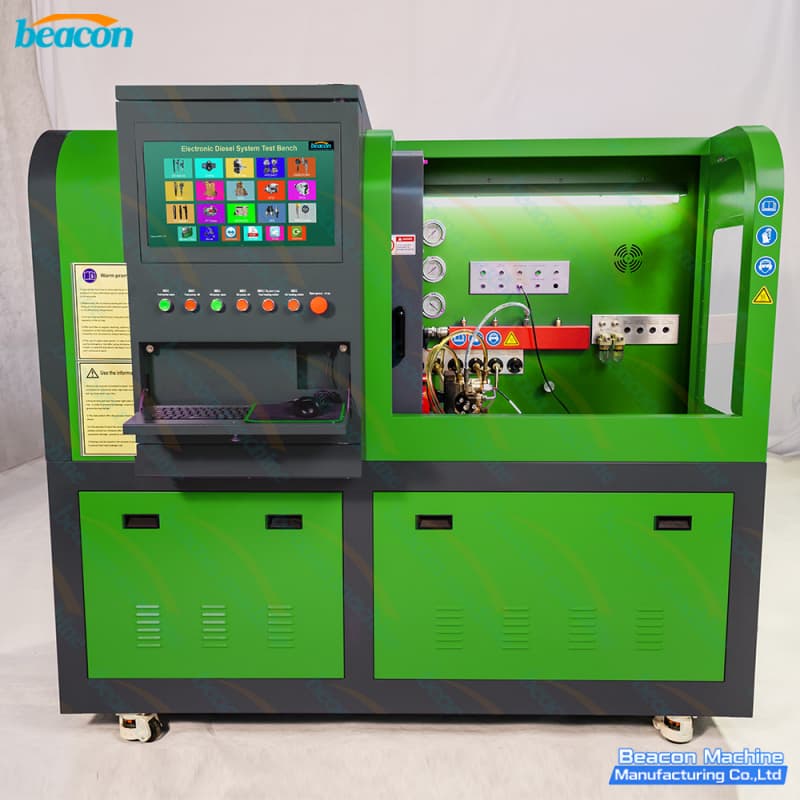
Unlocking Precision with Advanced Injector Testing
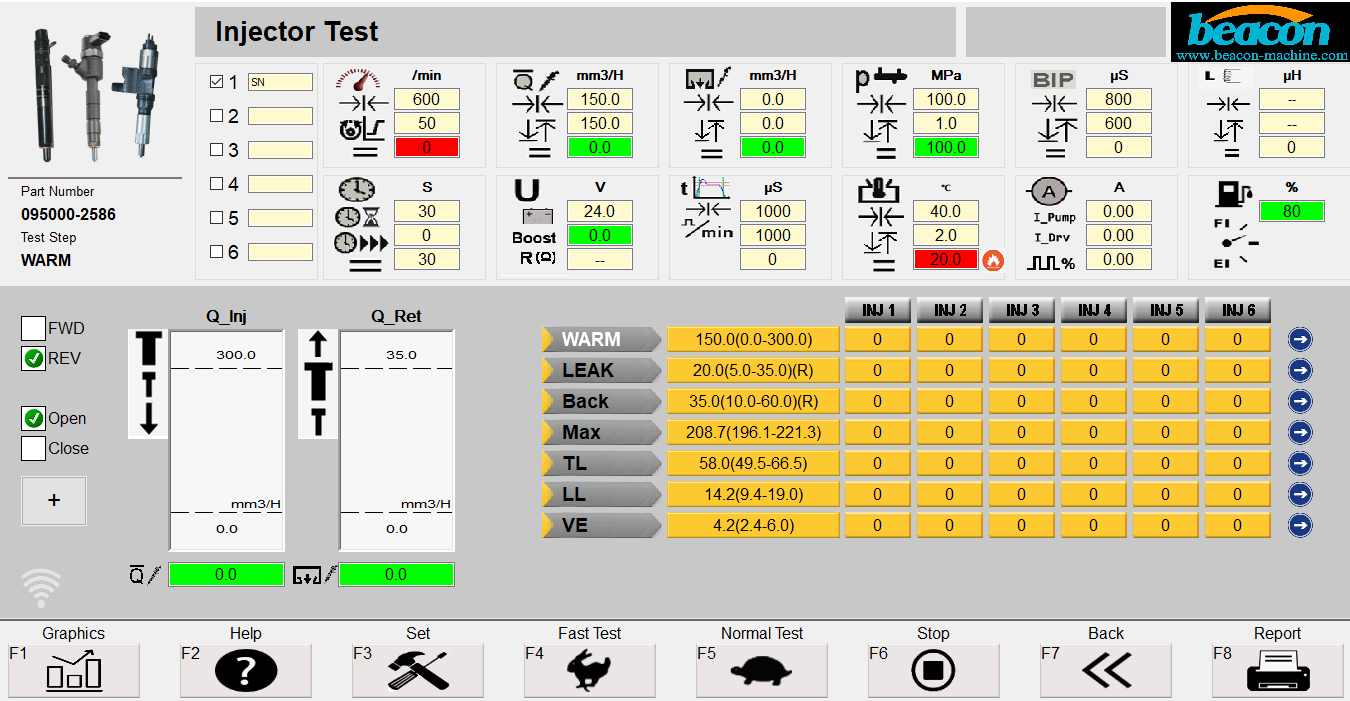
When it comes to injector calibration, the CR819S acts as a highly sensitive diesel fuel injector testing machine. The operating software provides a highly intuitive interface that allows technicians to monitor every critical parameter in real-time.
As seen in the system's interface, the machine conducts a comprehensive suite of test steps, including WARM, LEAK, Back, Max, TL (Full Load), LL (Idle), and VE (Pre-injection). It precisely measures injection volume (Q_Inj) and return volume (Q_Ret) in mm³/H. Furthermore, the CR819S is equipped with advanced electrical testing capabilities, including BIP (Beginning of Injection Period) measurement in μS and inductance testing (μH), ensuring that even the most complex piezo and electromagnetic injectors are calibrated to OEM standards.
Comprehensive Pump Testing Diagnostics
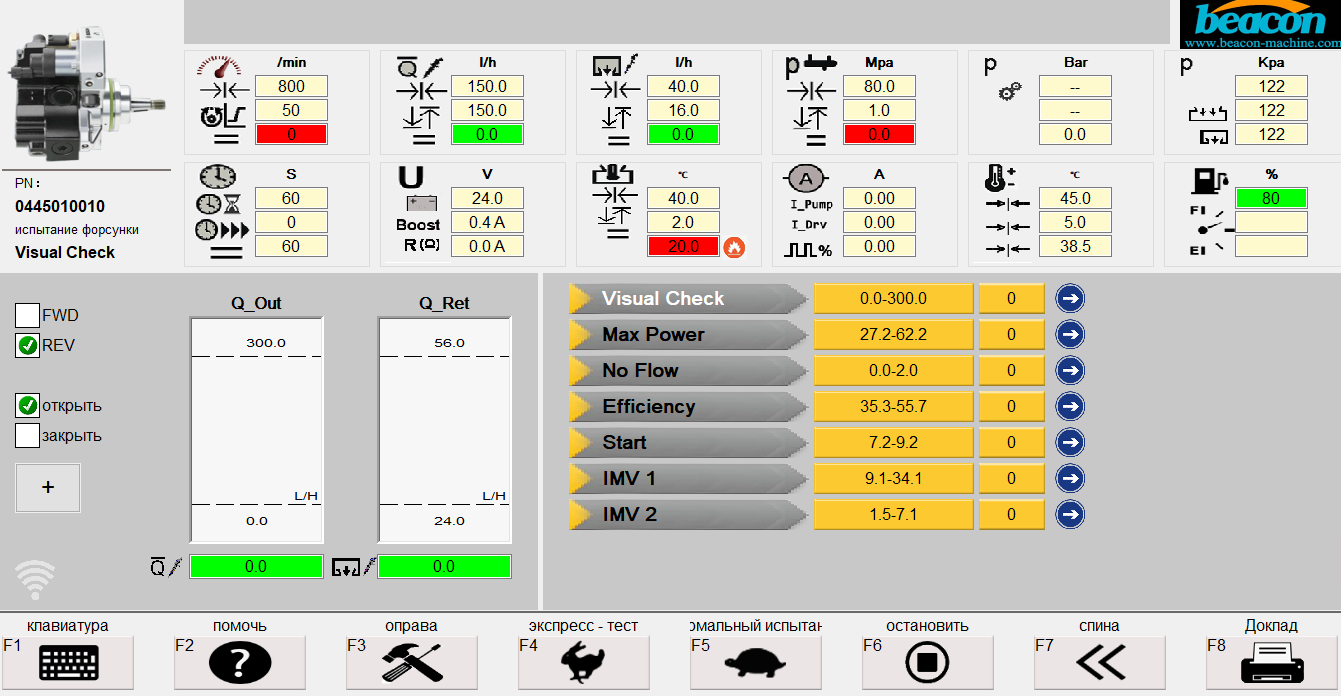
Beyond injectors, the CR819S shines as a heavy-duty high pressure common rail pump tester. Modern diesel pumps require meticulous testing of flow rates and pressure stability.
The dedicated pump testing module allows operators to execute steps such as Visual Check, Max Power, No Flow, Efficiency, Start, IMV 1, and IMV 2. The system accurately tracks RPM (/min), flow rates (L/H) for both Q_Out and Q_Ret, and pressure metrics up to high MPa/Bar levels. Integrated temperature controls for fuel and drives ensure that the pump is tested under real-world engine conditions, preventing false diagnoses and ensuring optimal pump efficiency.
Core Functions & Configuration Options
To meet the diverse needs of diesel workshops, the CR819S Common Rail Test Bench offers a flexible configuration. Below is a breakdown of its standard and optional features.
| Category | Features / Functions included |
| Standard Functions | • Test Bosch, Delphi, Denso, Siemens common rail injectors • Test high-pressure common rail pumps (CP1, CP2, CP3, HP3, HP4, etc.) • High-precision flow meter measurement (Q_Inj, Q_Ret) • Automatic generation of test reports • Real-time fuel temperature and pressure control • Injector solenoid valve inductance testing |
| Optional Functions | • BIP Measurement System (Highly recommended for precision tuning) • EUI/EUP (Electronic Unit Injector/Pump) testing module • HEUI (Hydraulic Electronic Unit Injector) testing capabilities • Denso HP0 pump testing • VP37 / VP44 pump testing additions |
Technical Parameters of the CR819S
The robust build of the CR819S ensures durability, while its internal components guarantee laboratory-grade precision.
| Parameter | Specification |
| Main Motor Power | 11 KW / 15 KW / 18.5 KW / 22 KW (Optional based on client needs) |
| Input Voltage | 3-Phase 380V or 220V (Customizable) |
| Drive Speed Range | 0 - 4000 RPM |
| Rail Pressure Control Range | 0 - 2500 Bar (250 MPa) |
| Pressure Control Accuracy | 0-0.5 Mpa |
| Flow Measurement Range (Injector) | 0 - 600 ml/min |
| Flow Measurement Range (Pump) | 0 - 3000 L/H |
| Temperature Control | 40±2 ℃ (Automatic cooling/heating system) |
Wide Testing Scope for Global Fleets
The versatility of this electronic diesel system test bench makes it an invaluable asset. Its testing scope covers:
Passenger Cars: Light-duty diesel vehicles using Bosch, Denso, and Delphi systems.
Commercial Vehicles: Heavy-duty trucks, buses, and freight vehicles.
Construction Machinery: Excavators, loaders, and agricultural tractors (e.g., Caterpillar, Cummins systems with optional add-ons).
Conclusion
Investing in the CR819S Common Rail Test Bench means upgrading your workshop to handle the strict tolerances of modern Tier 4 and Euro 6 diesel engines. By combining a powerful high pressure common rail pump tester with a highly accurate diesel fuel injector testing machine, you can reduce comebacks, increase repair turnover, and build ultimate trust with your clients.
Related products
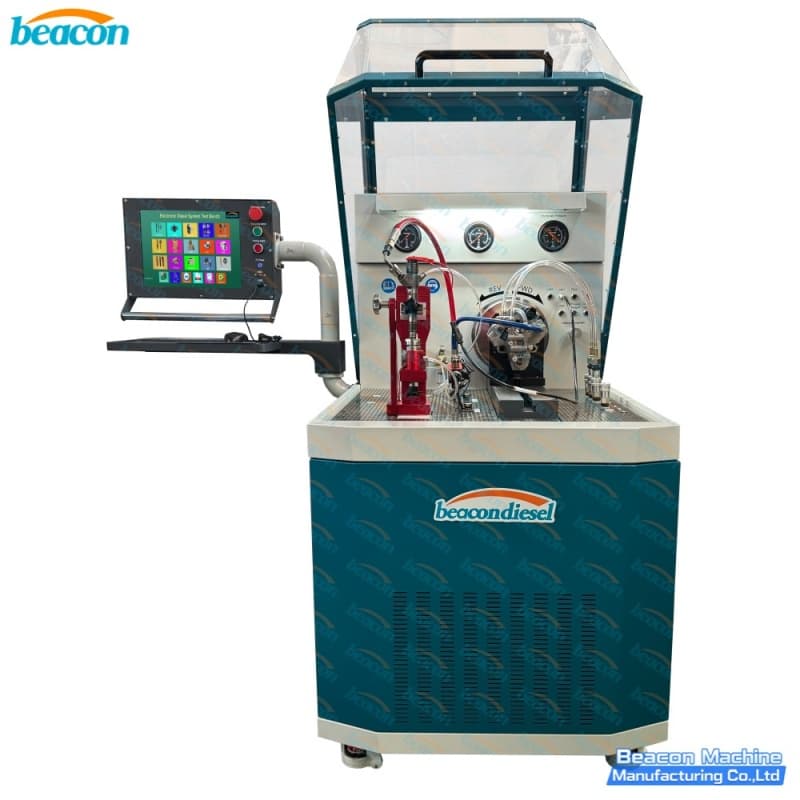
BC810 BEACON MACHINE Automatic Common Rail Injector and Pump Test Bench | Diesel Fuel Injection Pump Test Bench
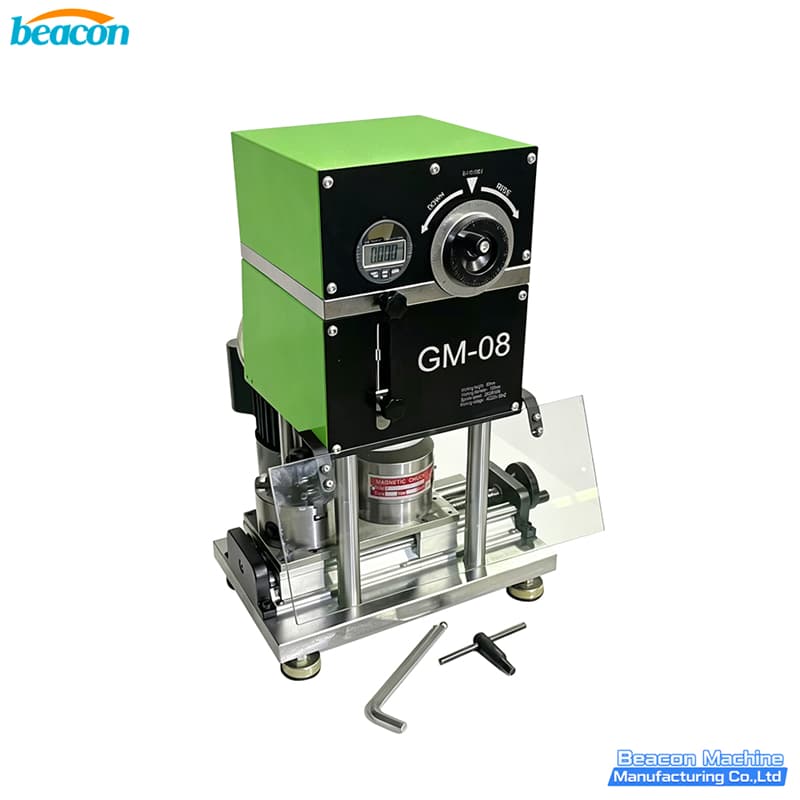
Industrial Common Rail Injector Nozzle Mating Face Grinding Machine G14-71 | BEACON MACHINE Diesel Nozzle Resurfacing Tool
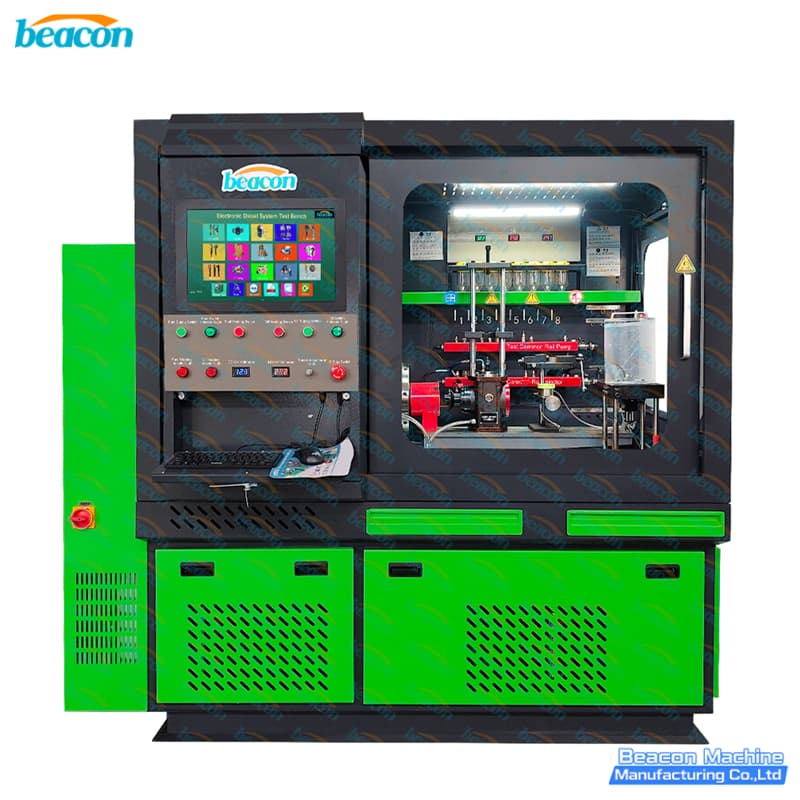
CR910 Diesel Fuel Pump Test Bench Common Rail Injector Tester | BEACON MACHINE
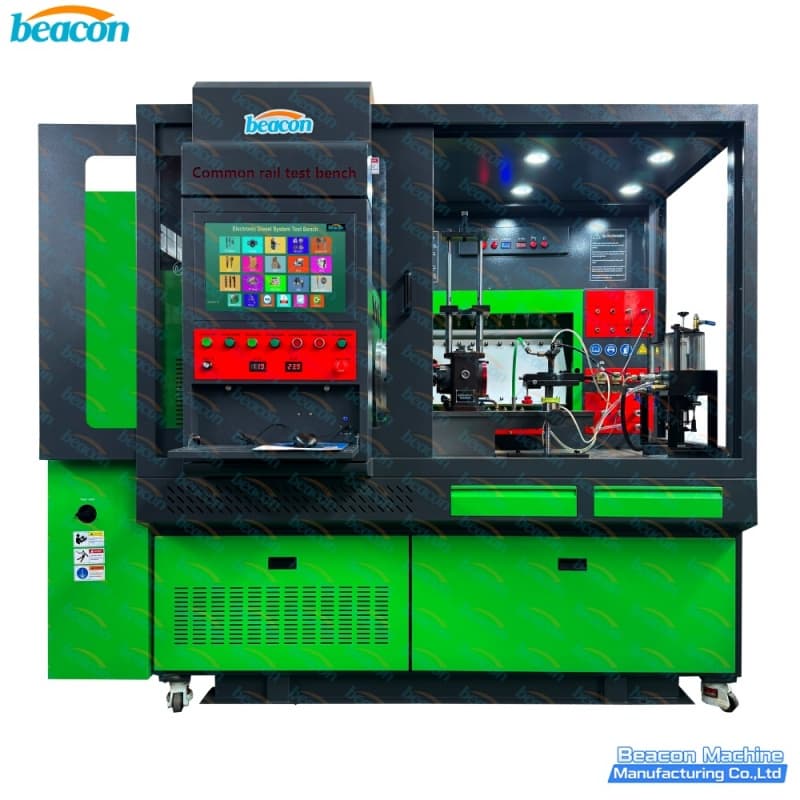
CR919 PLUS Common Rail Test Bench Diesel Fuel Injection Pump Tester | BEACON MACHINE

Industrial 8-Channel Common Rail Injector Durability Test Bench BC-NJ | BEACON MACHINE Multi-Cylinder Diesel Injector Tester

Automatic Solenoid Valve Grinding Platform G14-73 AT100 | BEACON MACHINE Common Rail Valve Seat Polisher
Related News
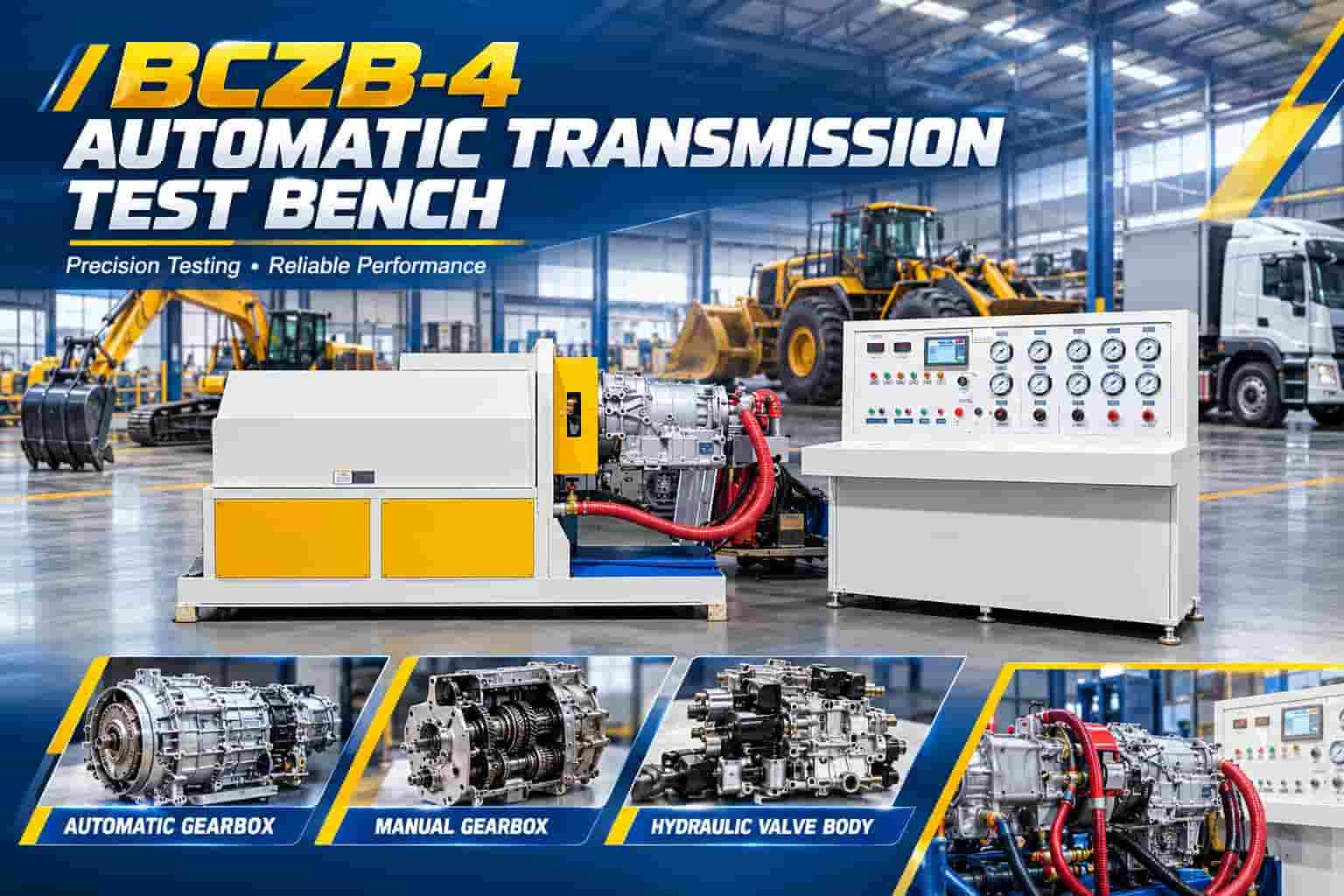
Professional ZF-Ecolife Transmission Test Bench & Automatic Gearbox Diagnostic Solution: Solving ZF 6AP 1200 B Transmission Pressure Loss and Gearbox Faults BEACON MACHINE
Oct. 15, 2026Maximize workshop precision with our Automatic transmission test bench. Designed for ZF 6AP 1200 B transmission service, this gearbox diagnostic solution identifies ZF-Ecolife pressure loss and valve body malfunctions in heavy-duty commercial vehicles and bus transmissions.+ Details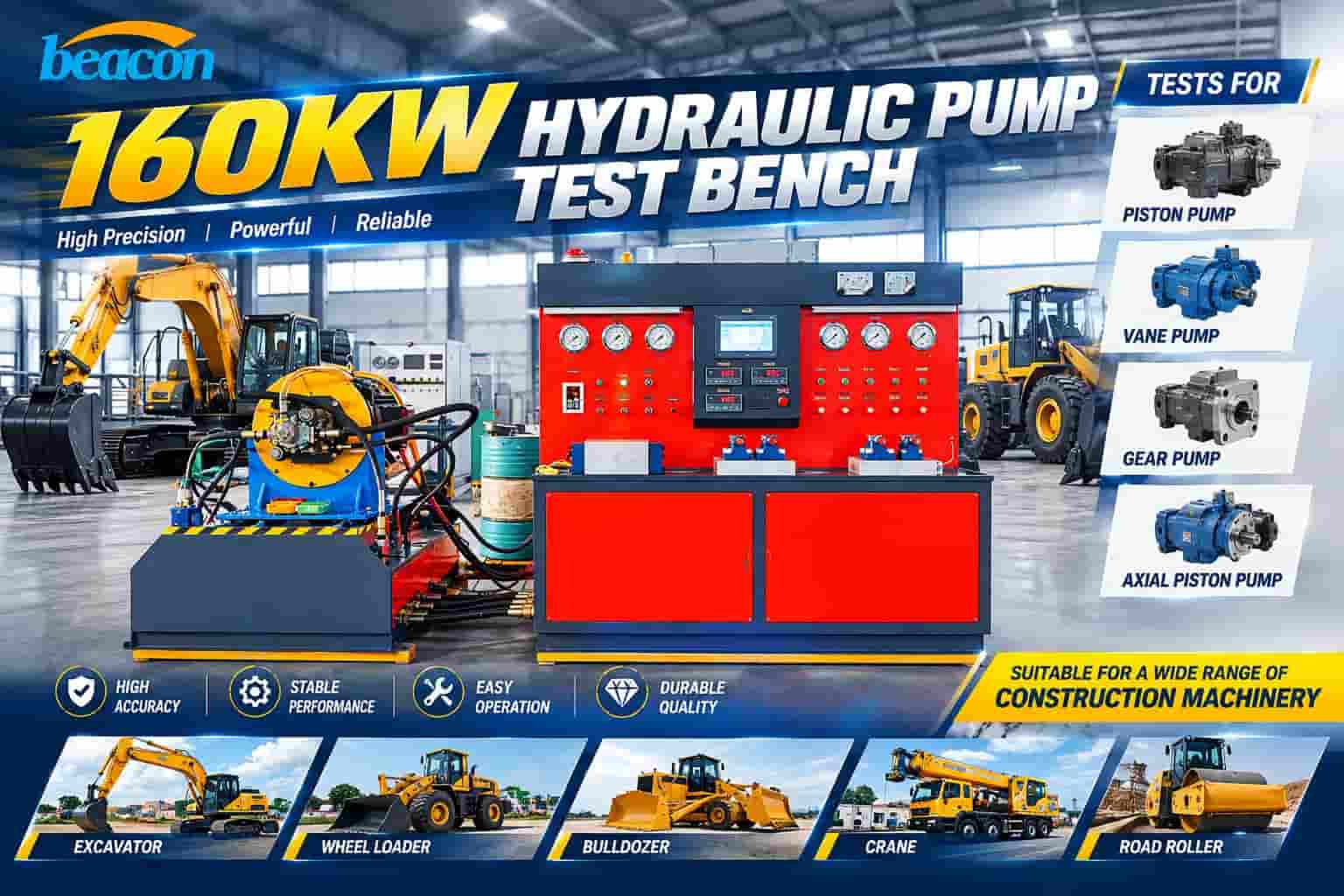
The Definitive Guide to Industrial Hydraulic Pump Testing: High-Pressure Performance Diagnostics for Heavy-Duty Engines and Machinery with the HP-B Test Bench BEACON MACHINE
Oct. 15, 2026Optimize your maintenance workflow with our professional Hydraulic Pump Test Bench. Achieve superior high-pressure hydraulic pump diagnostics for mining, marine, and construction machinery. BEACON MACHINE provides the ultimate heavy-duty industrial hydraulic system repair solution for global workshops requiring OEM-level precision calibration.+ Details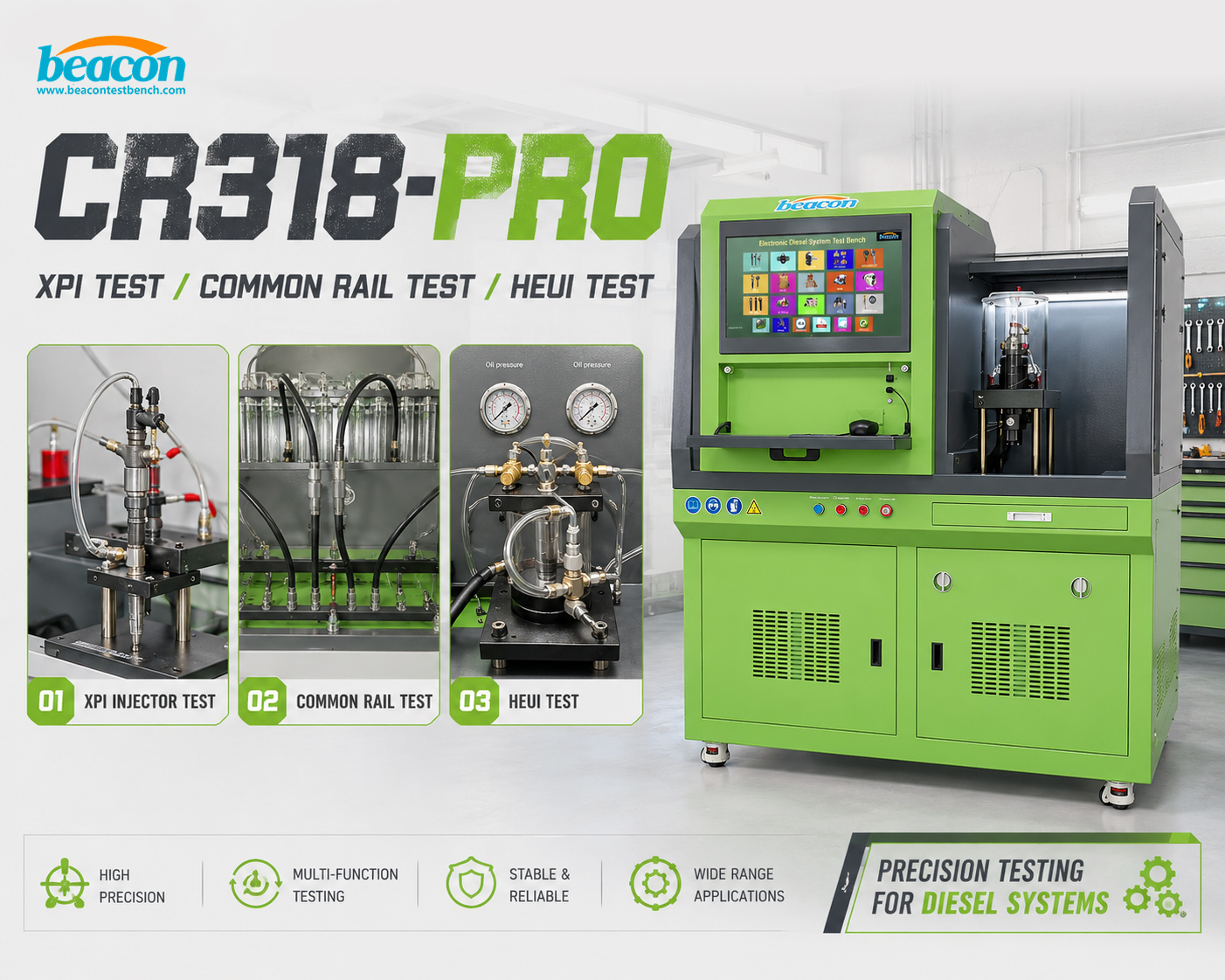
Mastering the Comprehensive Diesel Injection System Diagnostic Solution: The Ultimate Common Rail Test Bench and HEUI Test Stand Guide
Aug. 31, 2026Optimize your workshop with our comprehensive diesel injection system diagnostic solution. This advanced Common Rail Test Bench and HEUI Test Stand provides precision testing for XPI, CR, and HEUI systems, ensuring OEM-level performance for global diesel service centers. (41 words)+ Details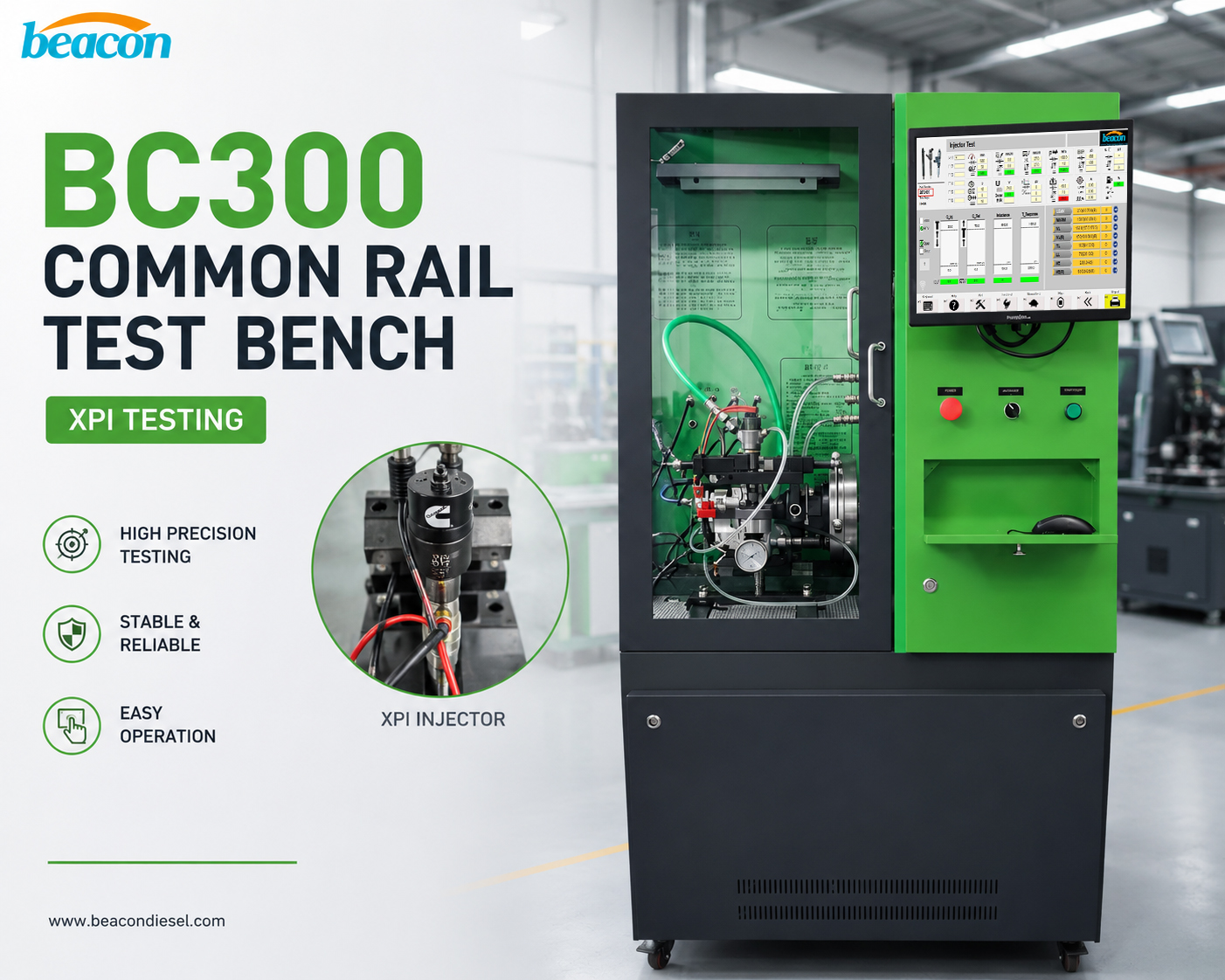
Mastering Professional High Pressure XPI Injector Testing Station: The Ultimate Common Rail Test Bench and Injector and Pump Tester Guide
Jul. 31, 2026Optimize your workshop with our professional high pressure XPI injector testing station. This advanced Common Rail Test Bench and Injector and Pump Tester provides unmatched precision for Cummins XPI systems and global fuel injection calibration needs. (41 words)+ Details
about beacon
PRODUCTS
contact us
TEL: 0086-13583836021
WhatsApp:+86-13583836021
Email: anneli@beacon-machine.com
Add: High Tech Industry Zone of East Tai an city,Shandong Province,China

WhatsApp

Wechat