Language
  EN
EN RU
RU ES
ES DE
DE EL
EL IT
IT JA
JA KO
KO PT
PT ID
ID SR
SR UK
UK VI
VI TH
TH TR
TR MS
MS BE
BE AR
ARHow to Test Common Rail Injectors: A Standard Diesel Injector Testing Procedure
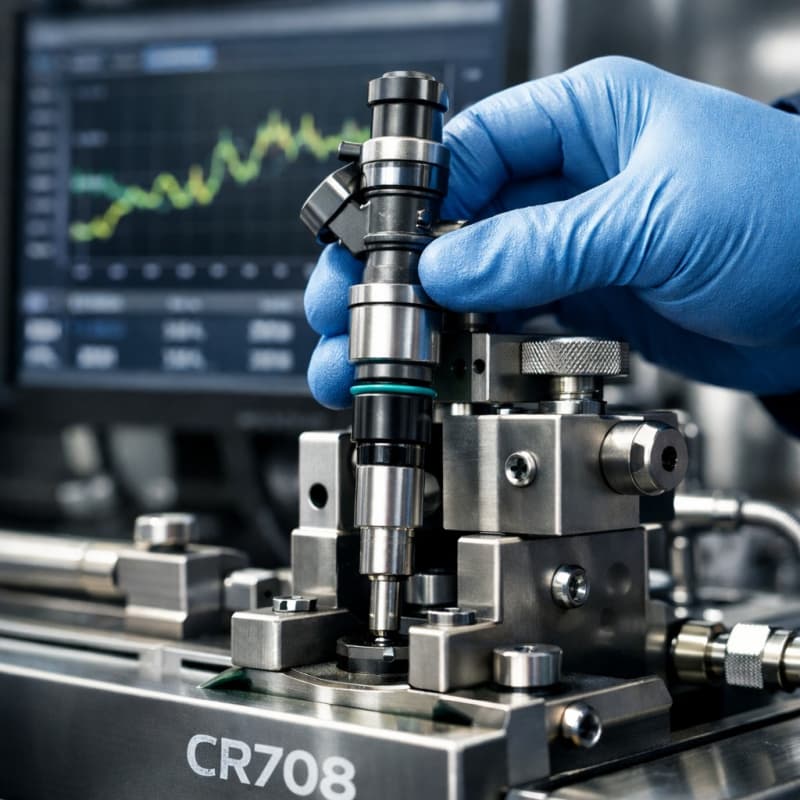
How to Test Common Rail Injectors: A Standard Diesel Injector Testing Procedure
Introduction
For any diesel repair workshop, knowing exactly how to test common rail injectors is the foundation of profitable diagnostics. A faulty injector can lead to poor engine performance,
increased emissions, or even severe engine damage. In this guide, we will walk you through the standard diesel injector testing procedure to ensure 100% accuracy in your daily repair work.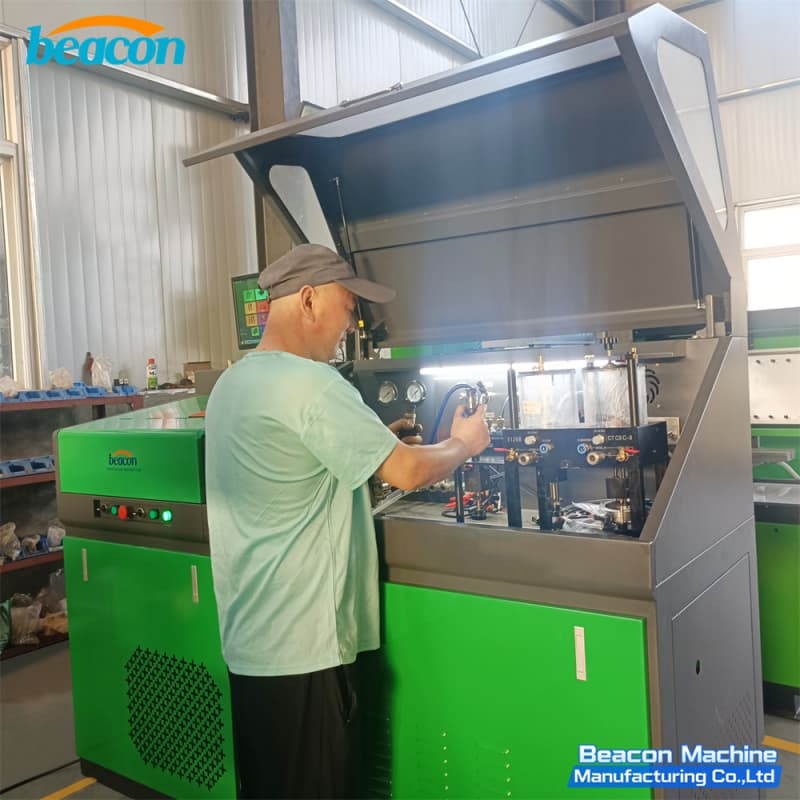
Step 1: Visual Inspection and Cleaning
Before placing the injector on your common rail injector test bench, you must perform a thorough ultrasonic cleaning. Dirt or carbon deposits can ruin the highly sensitive flow sensors of the testing equipment.
Step 2: Mounting and Sealing Check
Mount the injector securely. The first crucial step in the diesel fuel injection testing process is the leak test. Apply high pressure (up to 2000 or 2500 bar depending on the model) to check for static leaks at the nozzle,
control valve, and backflow areas.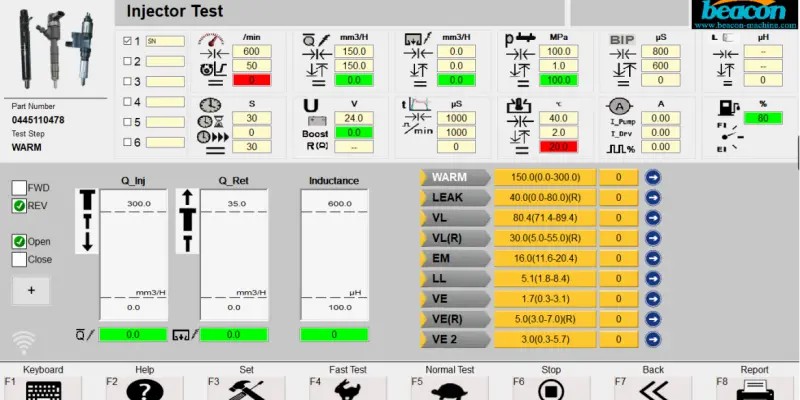
Step 3: The Core Testing Steps
A professional diesel pump and injector tester will automatically run through several critical stages:
VL (Full Load Test): Measures the maximum fuel delivery at maximum rail pressure.
EM (Emission Test): Checks the mid-range fuel delivery.
LL (Idle Speed Test): Ensures engine stability at low RPMs.
VE (Pre-injection Test): Crucial for modern engines to reduce combustion noise.
Conclusion
Following a strict diesel injector testing procedure guarantees that your customers won't return with the same problem. To achieve this, you need highly accurate equipment.
If you are looking to upgrade your workshop, explore our latest computerized common rail test bench designed for high-precision Bosch, Denso, and Delphi testing.
Related products
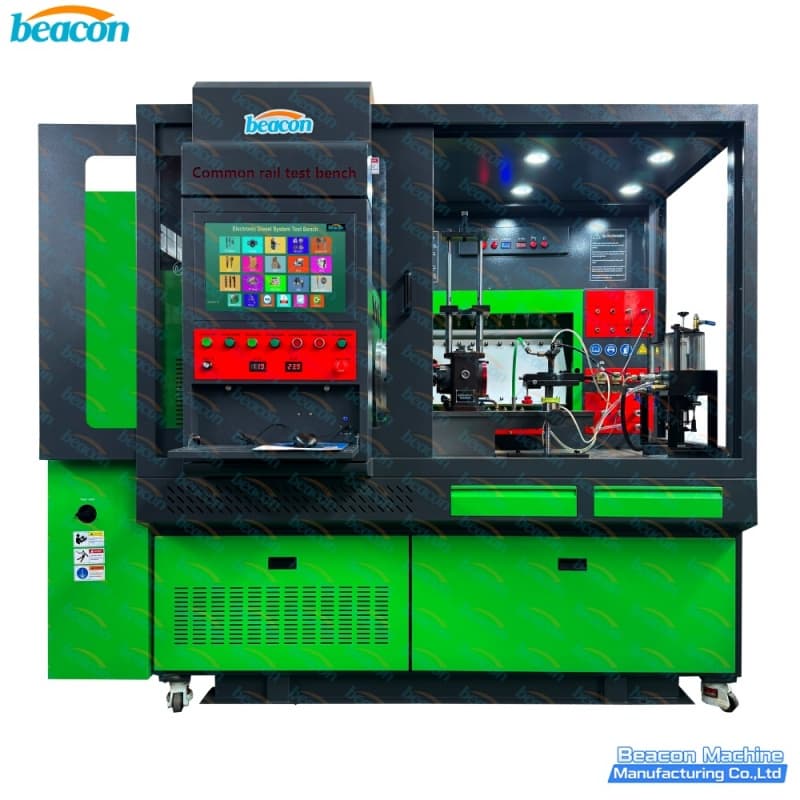
CR919 PLUS Common Rail Test Bench Diesel Fuel Injection Pump Tester | BEACON MACHINE
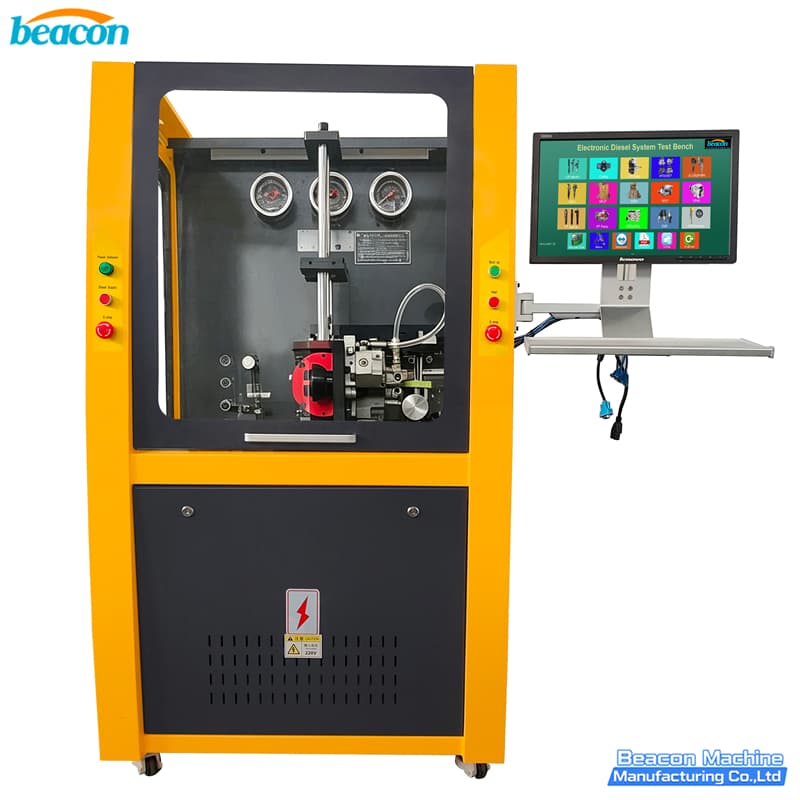
CR1017-PLUS High-Precision Electronic Diesel Fuel System Test Bench: Professional Diesel Injector Test Bench - BEACON MACHINE
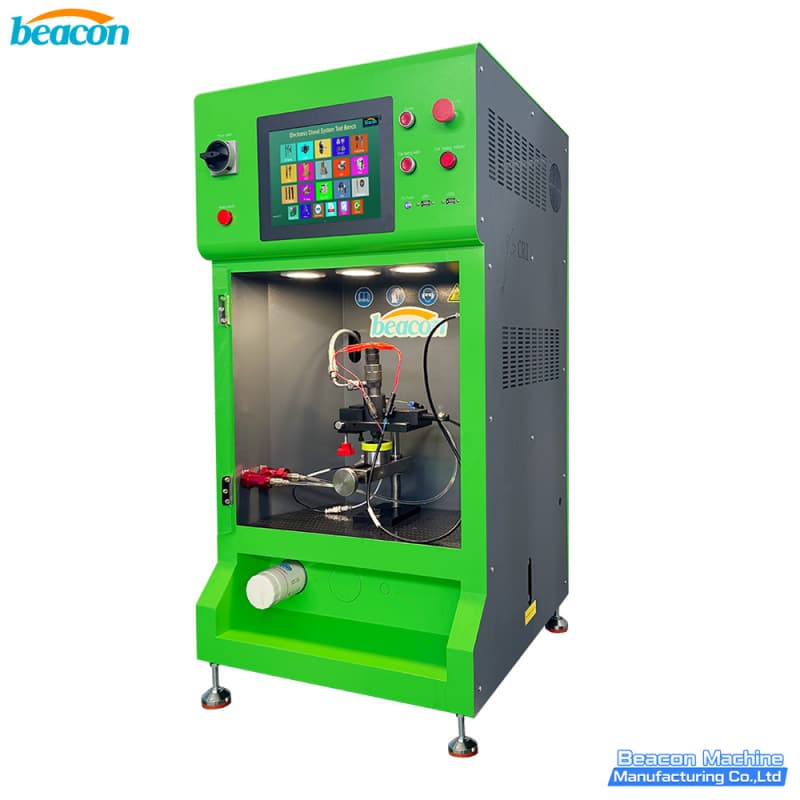
BEACON MACHINE EPS290 Integrated Common Rail Fuel Delivery Analyzer | Professional Diesel Injector Tester
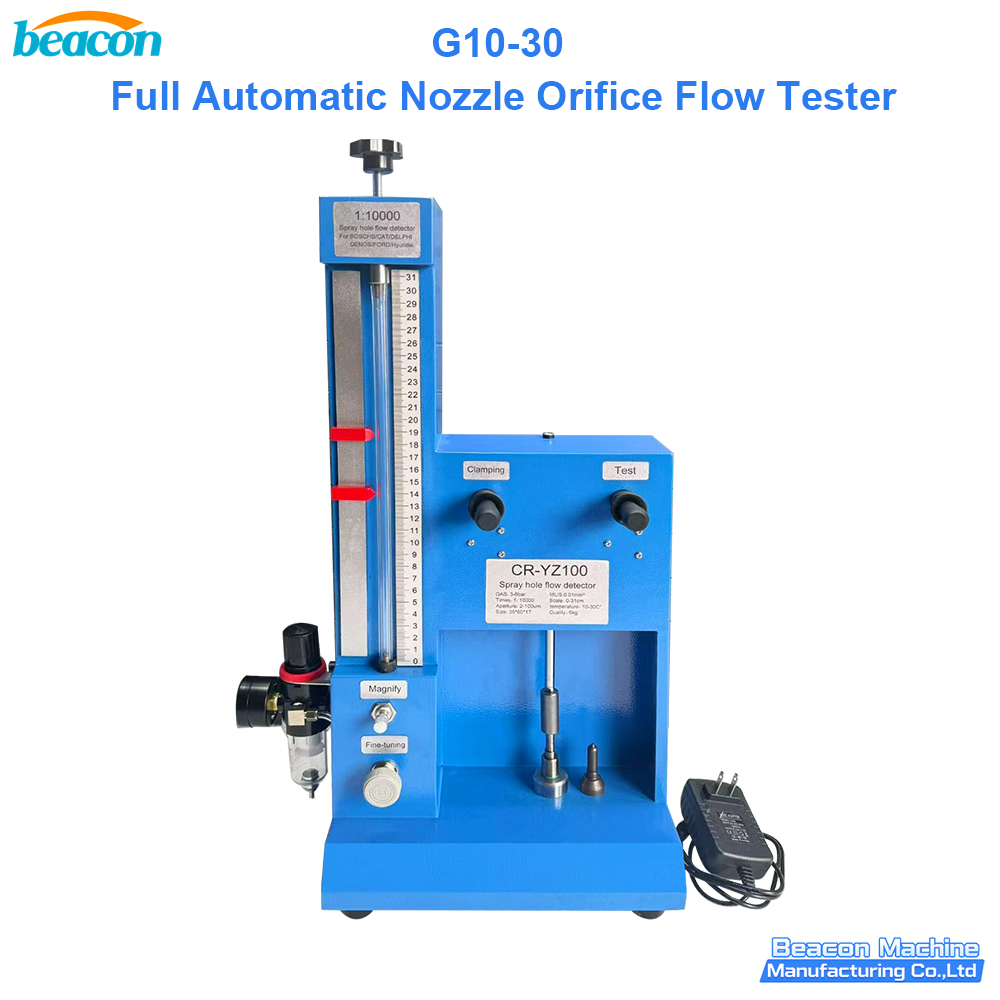
G10-30 High Precision Automatic Nozzle Orifice Flow Measurement Instrument | Professional Nozzle Orifice Flow Tester BEACON MACHINE
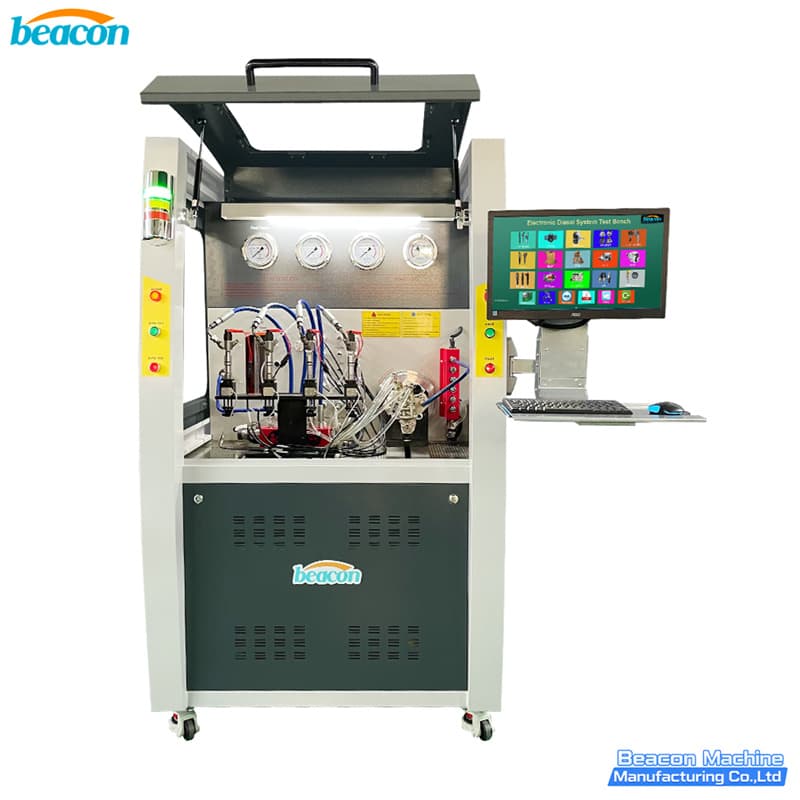
CR1029 Fully Automatic Common Rail Injector and Pump Calibration Machine | Common Rail Diesel Test Bench BEACON MACHINE
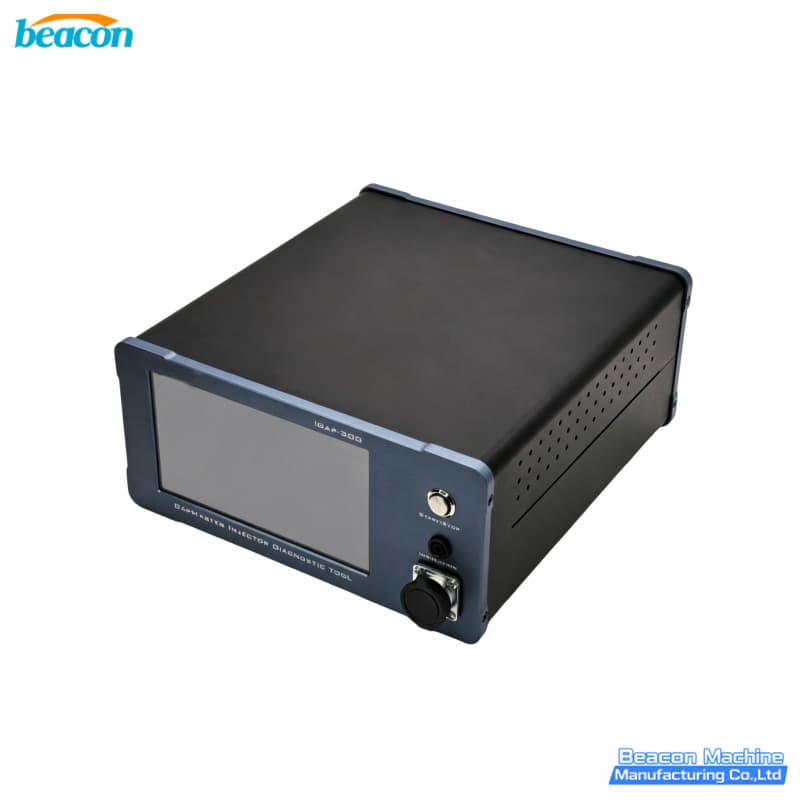
Professional Piezo and Solenoid Injector Calibration Station I-GAP300 | Piezo Injector Tester - BEACON MACHINE
Related News
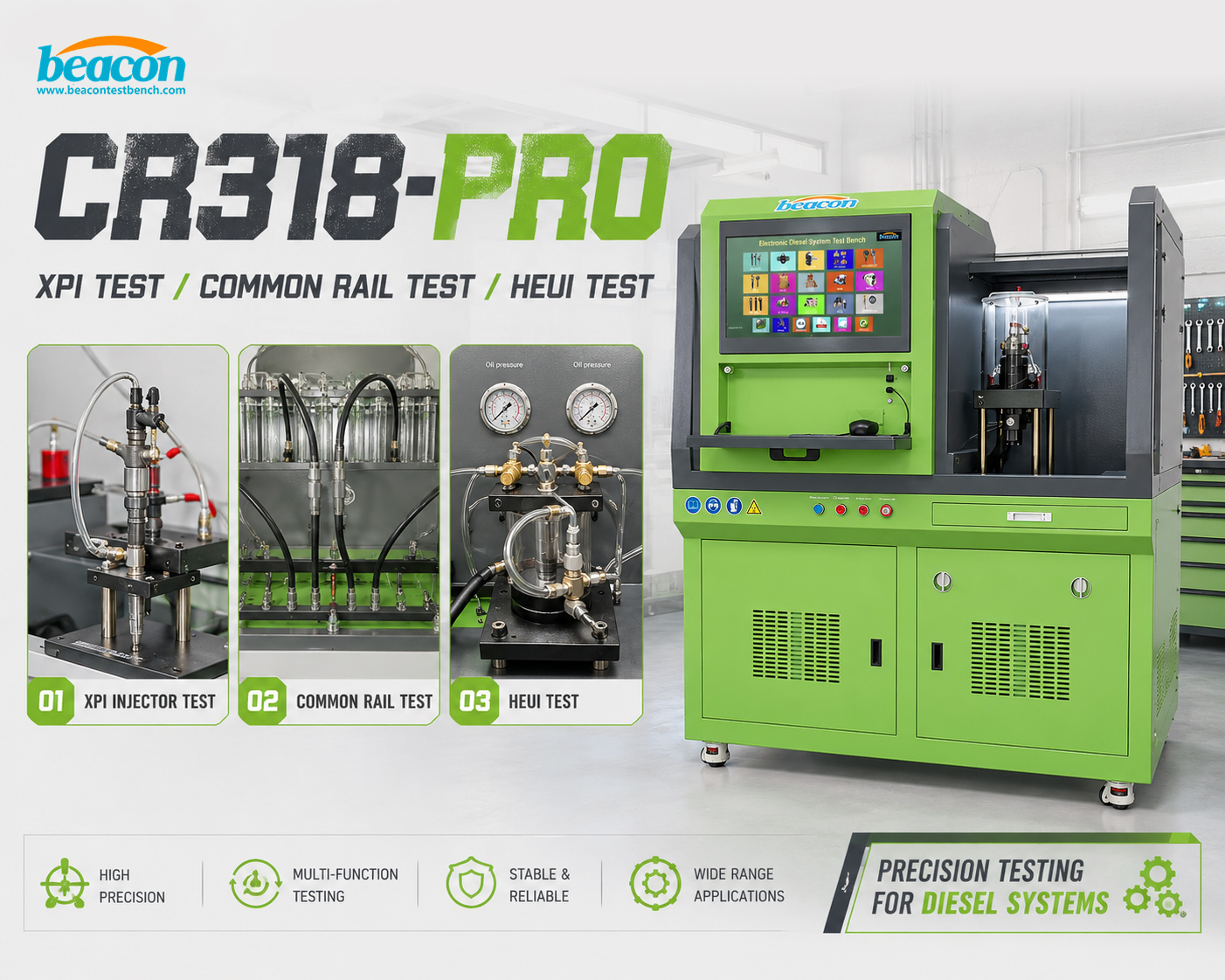
Mastering the Comprehensive Diesel Injection System Diagnostic Solution: The Ultimate Common Rail Test Bench and HEUI Test Stand Guide
Aug. 31, 2026Optimize your workshop with our comprehensive diesel injection system diagnostic solution. This advanced Common Rail Test Bench and HEUI Test Stand provides precision testing for XPI, CR, and HEUI systems, ensuring OEM-level performance for global diesel service centers. (41 words)+ Details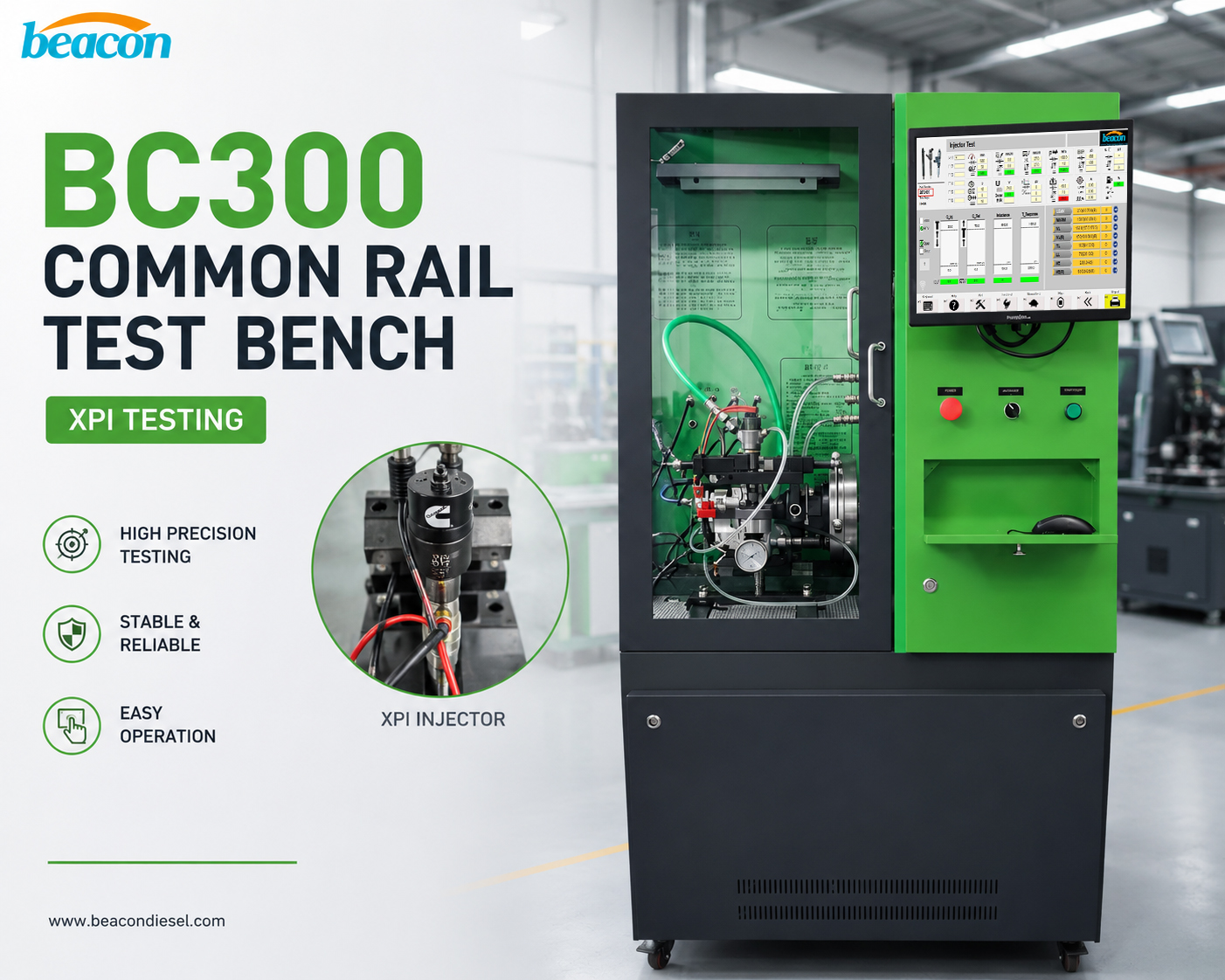
Mastering Professional High Pressure XPI Injector Testing Station: The Ultimate Common Rail Test Bench and Injector and Pump Tester Guide
Jul. 31, 2026Optimize your workshop with our professional high pressure XPI injector testing station. This advanced Common Rail Test Bench and Injector and Pump Tester provides unmatched precision for Cummins XPI systems and global fuel injection calibration needs. (41 words)+ Details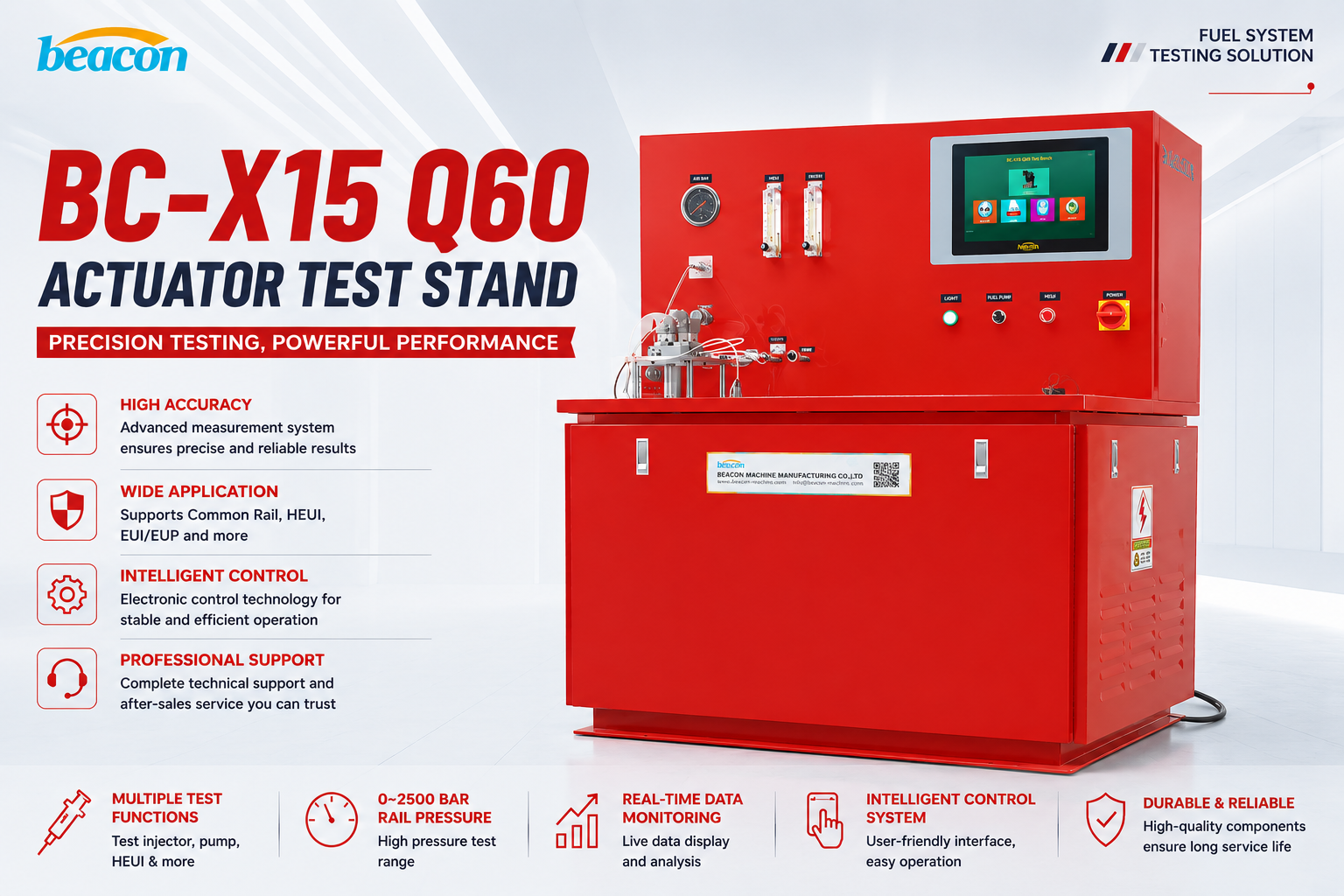
Ultimate Guide to Professional Q60 Fuel System Calibration Equipment: The Best Cummins HPI Test Bench and Fuel Injection Test Bench for Workshops
Jul. 15, 2026Optimize heavy-duty engine repairs with our professional Q60 fuel system calibration equipment. This industry-leading Cummins HPI Test Bench and Fuel Injection Test Bench provides unmatched precision for X15 and Q60 systems, ensuring OEM-level performance for global service centers.+ Details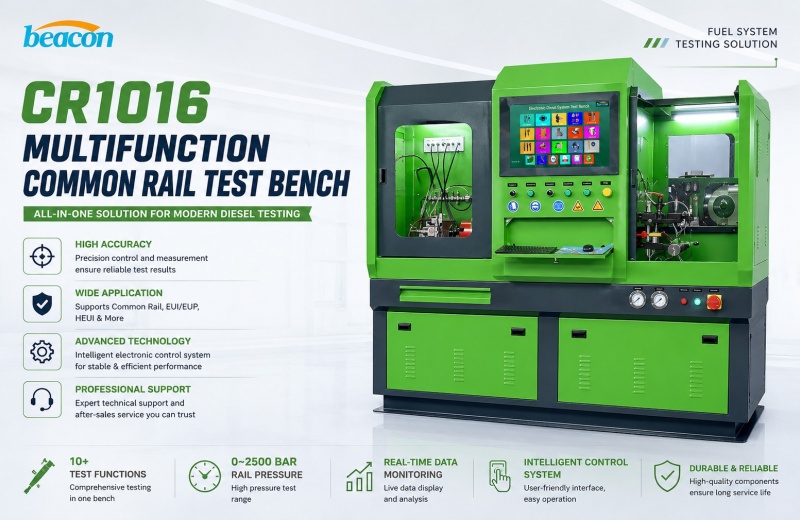
Enhancing Workshop Accuracy with the CR1016 Multi-function Common Rail Calibration Solution: The Ultimate Common Rail Test Bench and Diesel Injector Tester Guide
Jun. 12, 2026Upgrade your repair facility with the CR1016 multi-function common rail calibration solution, a premier common rail test bench and diesel injector tester. Optimize performance for Bosch, Denso, and Delphi fuel systems with precision automated diagnostic reporting today. (41 words)+ Details
about beacon
PRODUCTS
contact us
TEL: 0086-13583836021
WhatsApp:+86-13583836021
Email: anneli@beacon-machine.com
Add: High Tech Industry Zone of East Tai an city,Shandong Province,China

WhatsApp

Wechat