Language
  EN
EN RU
RU ES
ES DE
DE EL
EL IT
IT JA
JA KO
KO PT
PT ID
ID SR
SR UK
UK VI
VI TH
TH TR
TR MS
MS BE
BE AR
ARExtend Machine Life: The Ultimate Common Rail Test Bench Maintenance Guide & Diesel Injector Testing Equipment Troubleshooting for Your Diesel Test Bench
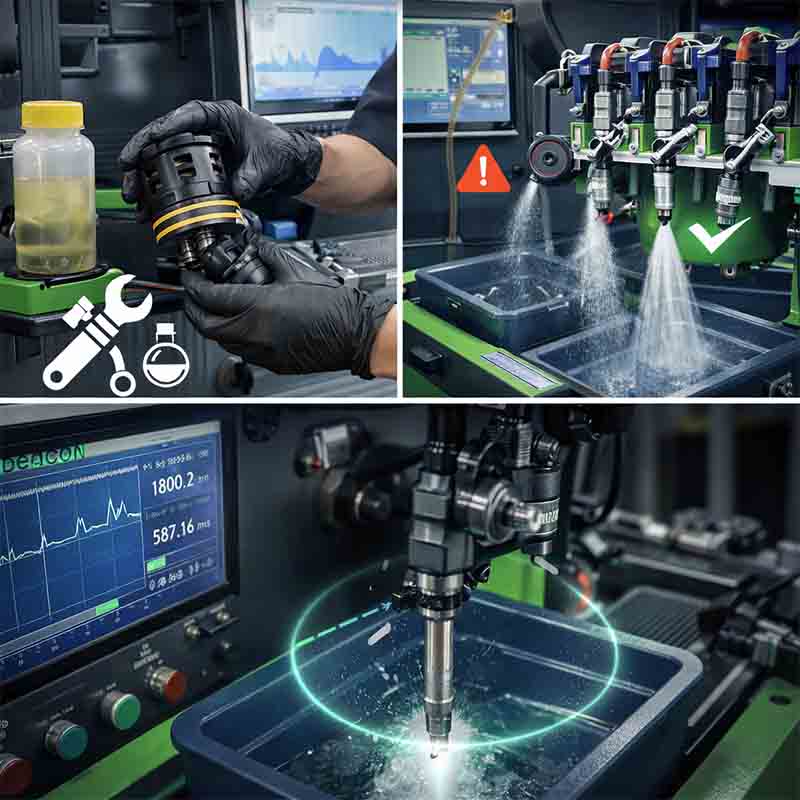
Extend Machine Life: The Ultimate Common Rail Test Bench Maintenance Guide & Diesel Injector Testing Equipment Troubleshooting for Your Diesel Test Bench
For any modern diesel repair workshop, a Diesel Test Bench is the most valuable asset. Because these machines rely on highly sensitive flow meters, frequency inverters, and high-pressure sensors, neglecting daily care can lead to inaccurate diagnostic reports and costly downtime.
To help workshop owners protect their investments, our engineers have compiled this professional common rail test bench maintenance guide. By following these strict pre-test and post-test routines—and mastering basic diesel injector testing equipment troubleshooting—you can guarantee the longevity and extreme accuracy of your diesel test bench.
Pre-Test Checklist: What to Do Before Starting the Machine
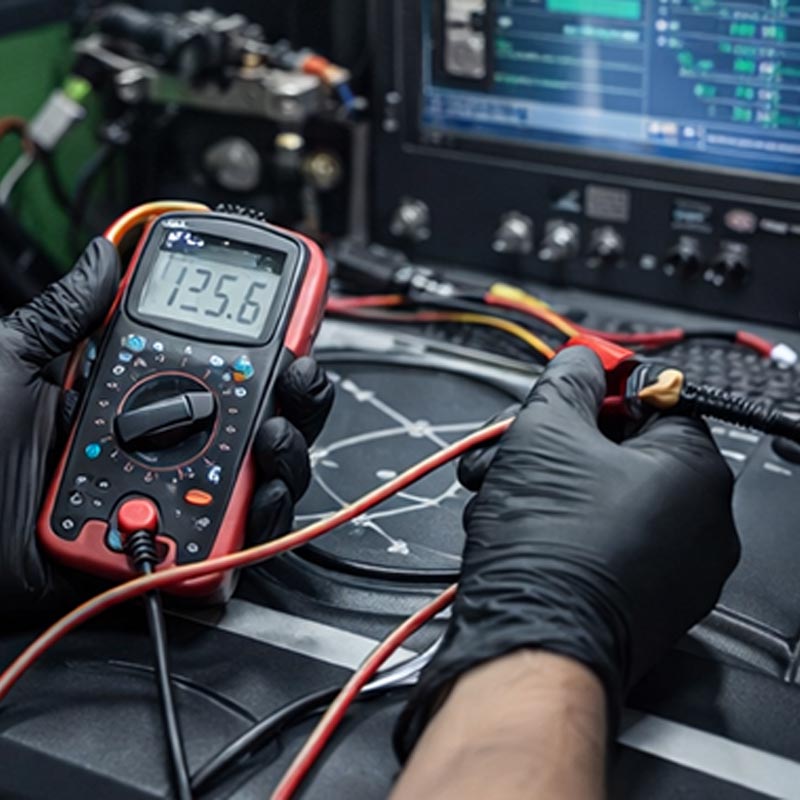
Before mounting any injector or pump onto your diesel test bench, a thorough pre-check is mandatory for both operator safety and testing precision.
Check the Test Oil Quality and Level: Always use standard ISO 4113 calibration fluid. Ensure the oil level in the main tank of your diesel test bench is within the normal range. If the oil appears cloudy or has been used for more than 300 hours, replace it immediately to prevent damaging the high-pressure pump and flow sensors.
Inspect Power Supply and Grounding: Advanced CNC systems are highly sensitive to voltage fluctuations. Verify that the 3-phase power supply is stable and that the machine's grounding wire is securely connected to avoid electrical interference during testing.
Examine High-Pressure Pipes and Couplings: High-pressure common rail testing often exceeds 2000 bar. Inspect all metal pipes, flexible hoses, and adapter couplings for microscopic cracks or thread wear. A compromised pipe on a diesel test bench is a severe safety hazard.
Post-Test Routine: Essential Care After Testing
How you shut down the machine is just as important as how you start it. A major part of our common rail test bench maintenance guide involves post-operation cleanliness.
Pressure Relief: Never disconnect an injector or pump immediately after testing. Wait for the software on your diesel test bench to completely drop the rail pressure to zero bar.
Drain Residual Fuel: Use compressed air to blow out the residual test oil from the tested injectors and the machine's return lines. This prevents cross-contamination for the next batch of testing.
Clean the Work Area: Wipe down the protective shield, the operating console, and the cam box area. Keeping the diesel test bench free of oil spills ensures dust doesn't accumulate and enter the measurement glass or sensors.
Expert Diesel Injector Testing Equipment Troubleshooting
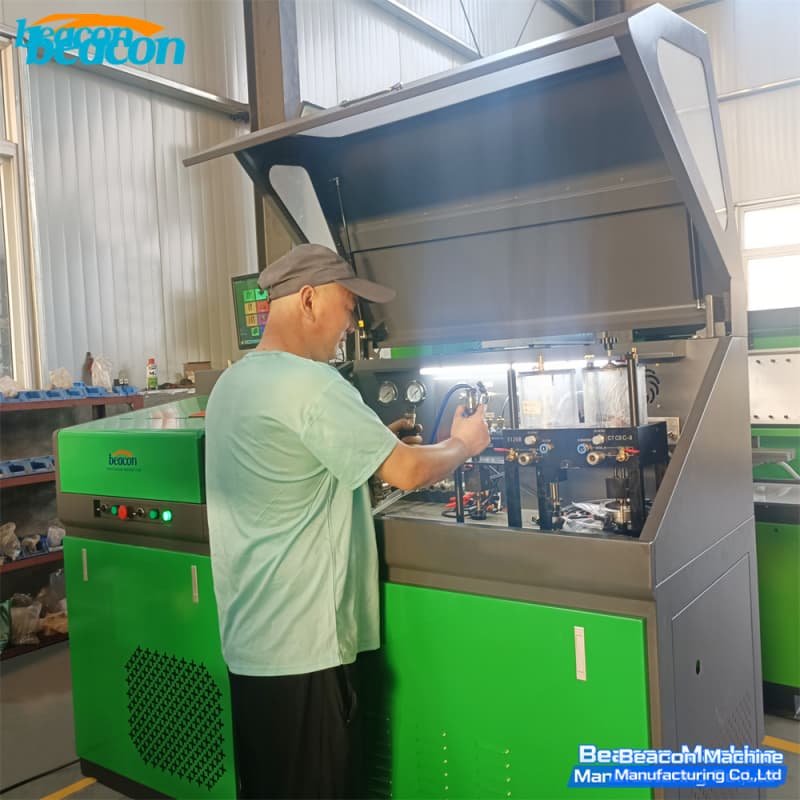
Even with perfect maintenance, occasional errors happen. Here are quick diesel injector testing equipment troubleshooting steps for the most common issues faced on a diesel test bench:
Fault 1: The Machine Cannot Build Rail Pressure.
Troubleshooting: First, check if there is air in the low-pressure supply line. Bleed the air manually. If the issue persists, inspect the DRV (Pressure Regulating Valve) on the common rail pipe. A stuck or dirty DRV valve is the most common reason a diesel test bench fails to build pressure.
Fault 2: Inaccurate or Unstable Flow Meter Readings.
Troubleshooting: This is heavily reliant on oil temperature. Ensure the cooling system is working and the test oil is strictly at 40°C ± 2°C. Next, perform diesel injector testing equipment troubleshooting by checking the filter elements before the flow sensor; clogged micro-filters will cause data fluctuation.
Fault 3: Unusual Noise from the Main Motor or Spindle.
Troubleshooting: Immediately hit the emergency stop. Check the concentricity of the connecting coupling between the motor and the high-pressure pump. Misalignment during installation puts massive stress on the diesel test bench motor bearings.
Conclusion
Routine care is the secret to diagnostic profitability. By strictly implementing this common rail test bench maintenance guide and knowing the basics of diesel injector testing equipment troubleshooting, your diesel test bench will remain your workshop's most reliable revenue generator for years to come.
If you need OEM replacement parts, updated software databases, or are looking to upgrade your testing equipment, Contact Our Expert Team Today for a free consultation!
Related products
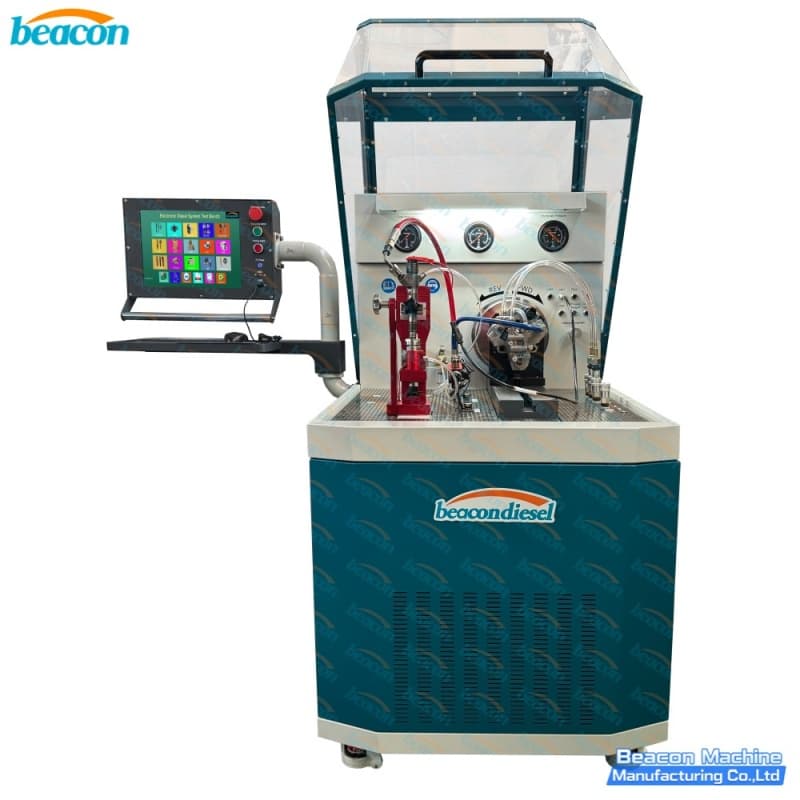
BC810 BEACON MACHINE Automatic Common Rail Injector and Pump Test Bench | Diesel Fuel Injection Pump Test Bench
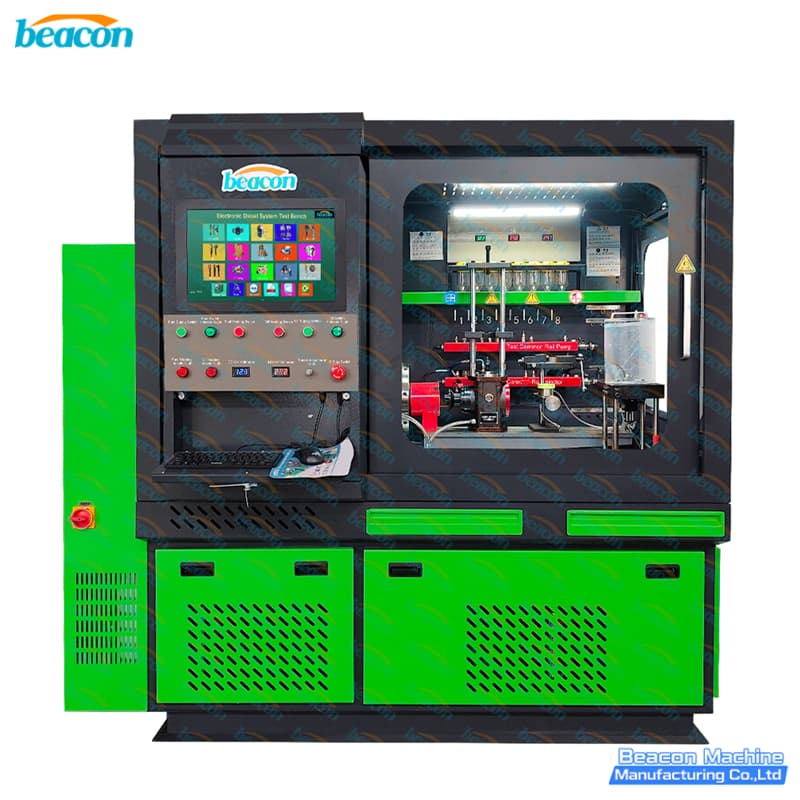
CR910 Diesel Fuel Pump Test Bench Common Rail Injector Tester | BEACON MACHINE
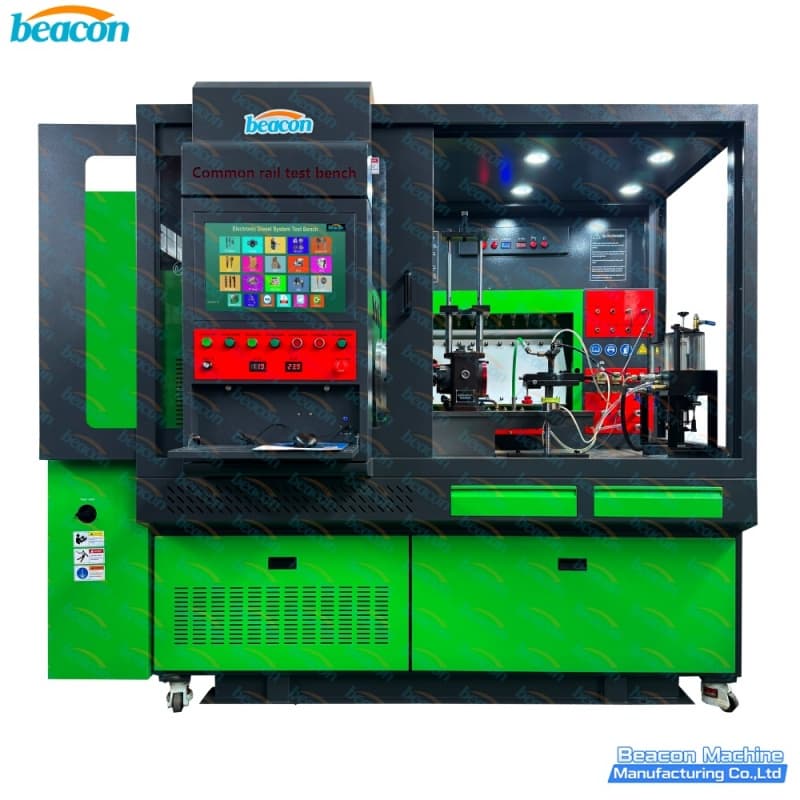
CR919 PLUS Common Rail Test Bench Diesel Fuel Injection Pump Tester | BEACON MACHINE

Industrial 8-Channel Common Rail Injector Durability Test Bench BC-NJ | BEACON MACHINE Multi-Cylinder Diesel Injector Tester
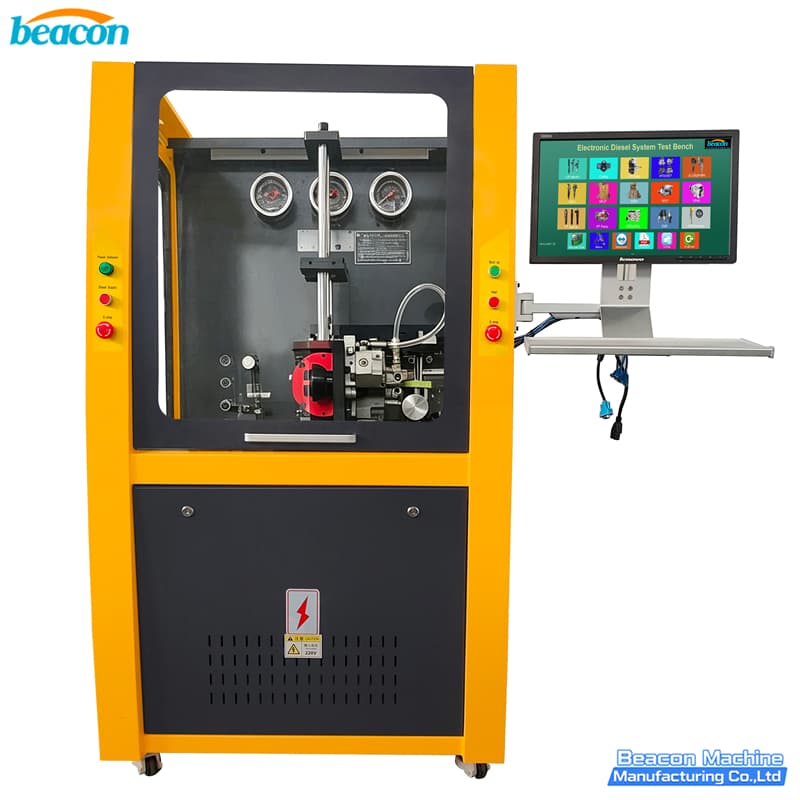
CR1017-PLUS High-Precision Electronic Diesel Fuel System Test Bench: Professional Diesel Injector Test Bench - BEACON MACHINE
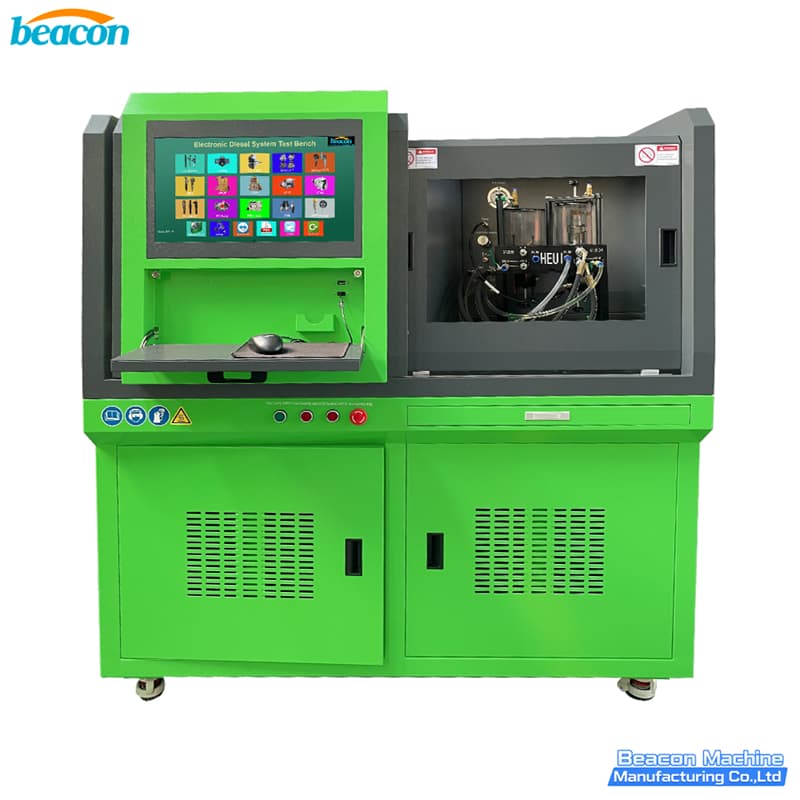
BEACON MACHINE CR318-PRO | Advanced Common Rail and HEUI Diagnostic Solution | Professional Diesel Fuel System Testing Equipment
Related News
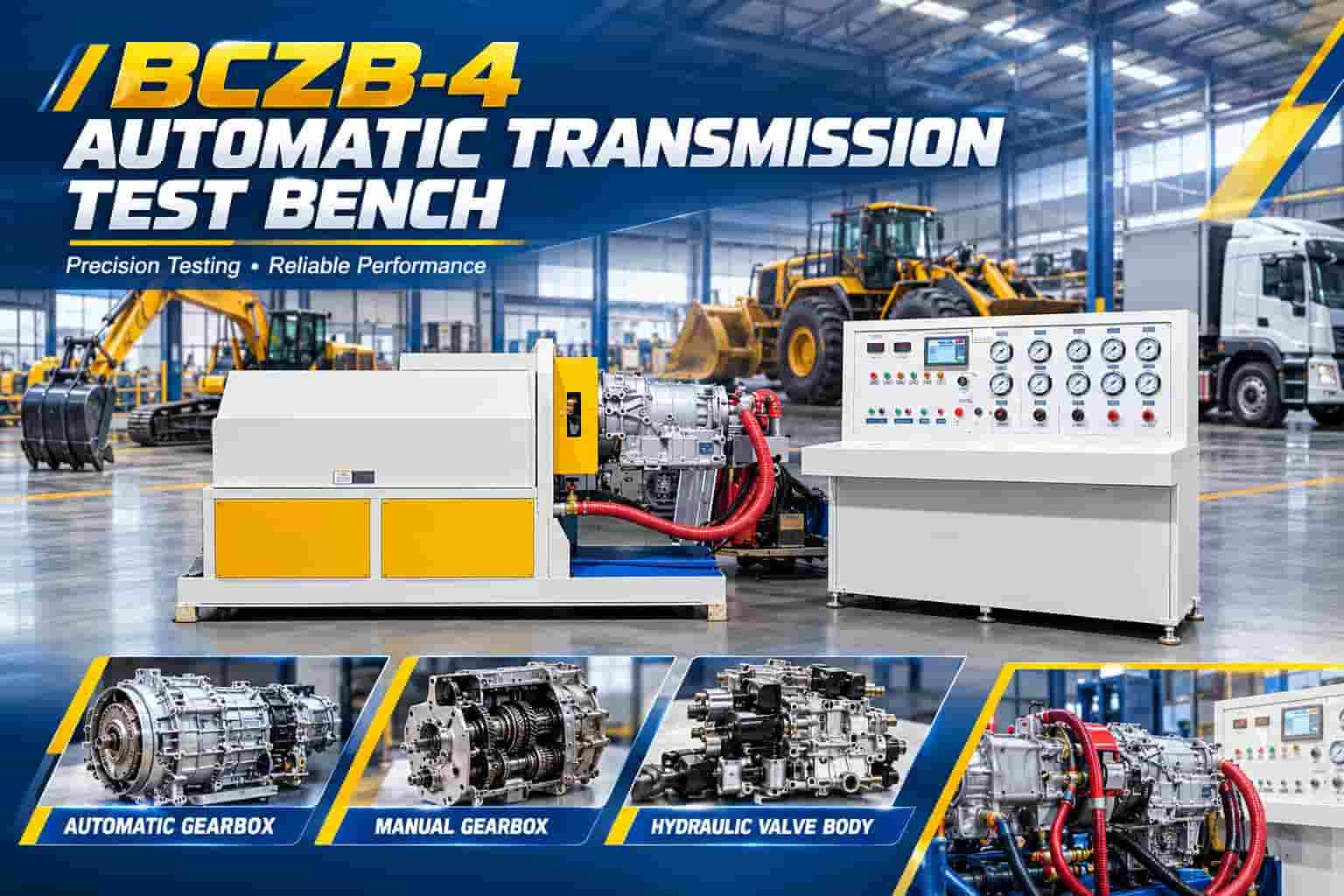
Professional ZF-Ecolife Transmission Test Bench & Automatic Gearbox Diagnostic Solution: Solving ZF 6AP 1200 B Transmission Pressure Loss and Gearbox Faults BEACON MACHINE
Oct. 15, 2026Maximize workshop precision with our Automatic transmission test bench. Designed for ZF 6AP 1200 B transmission service, this gearbox diagnostic solution identifies ZF-Ecolife pressure loss and valve body malfunctions in heavy-duty commercial vehicles and bus transmissions.+ Details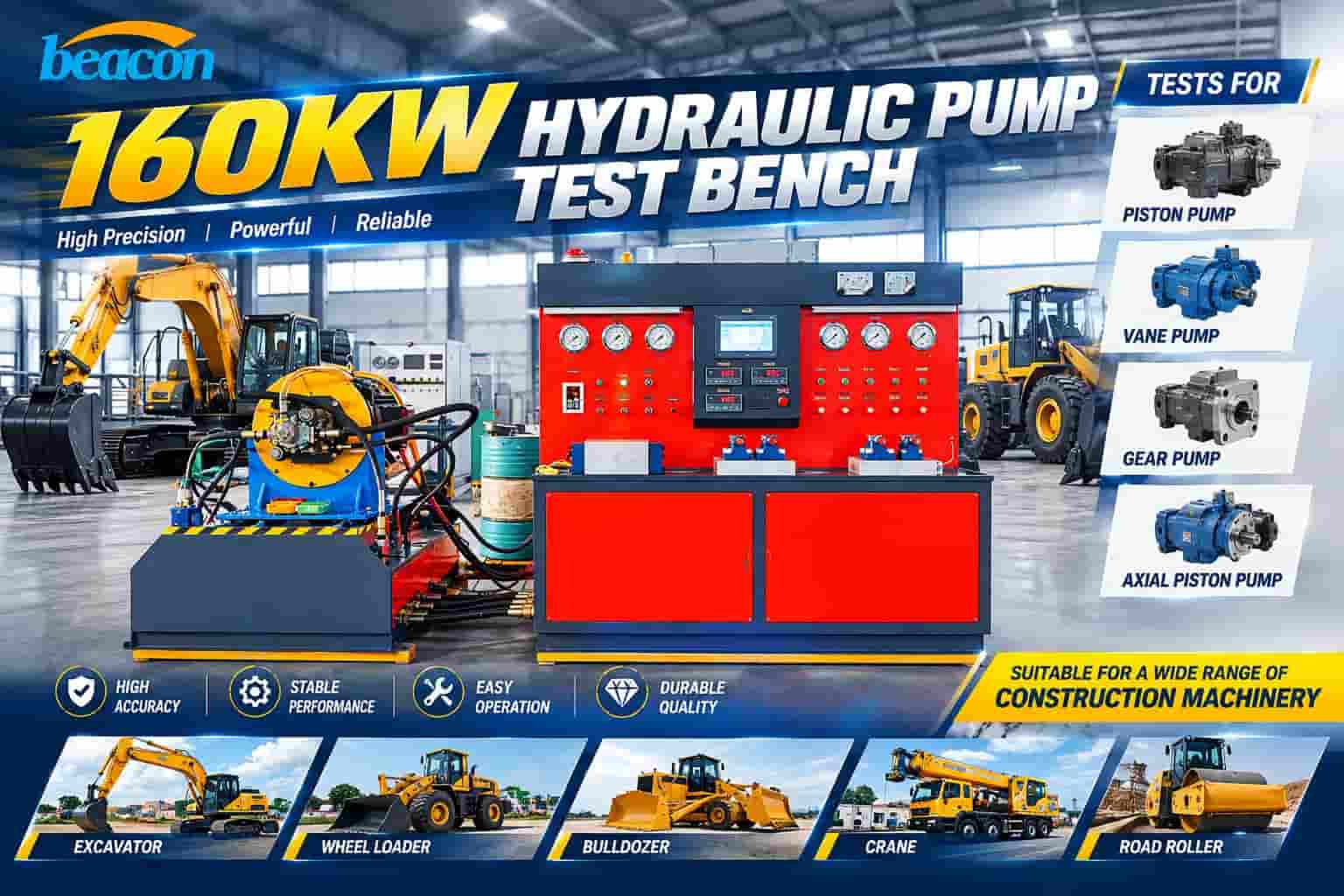
The Definitive Guide to Industrial Hydraulic Pump Testing: High-Pressure Performance Diagnostics for Heavy-Duty Engines and Machinery with the HP-B Test Bench BEACON MACHINE
Oct. 15, 2026Optimize your maintenance workflow with our professional Hydraulic Pump Test Bench. Achieve superior high-pressure hydraulic pump diagnostics for mining, marine, and construction machinery. BEACON MACHINE provides the ultimate heavy-duty industrial hydraulic system repair solution for global workshops requiring OEM-level precision calibration.+ Details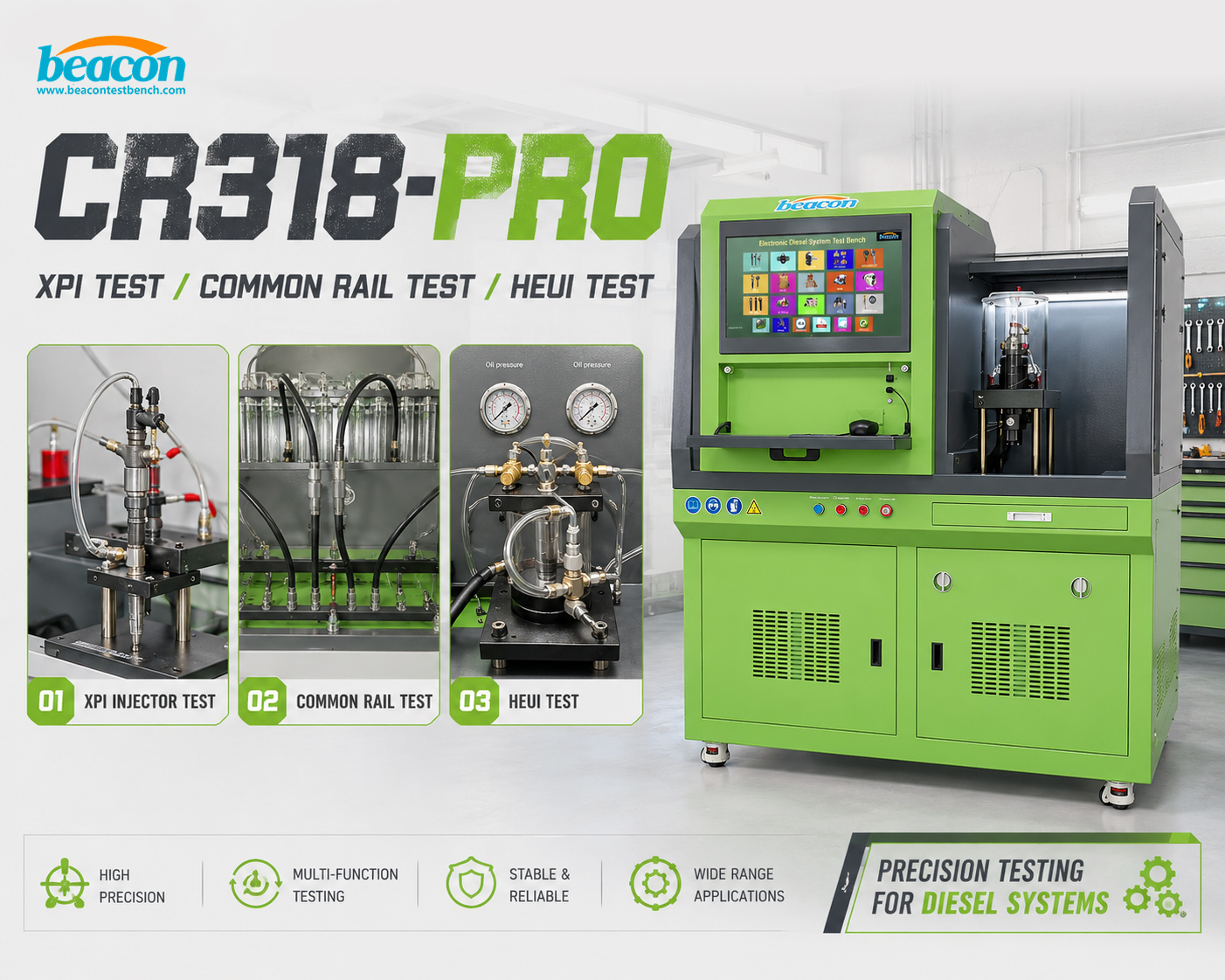
Mastering the Comprehensive Diesel Injection System Diagnostic Solution: The Ultimate Common Rail Test Bench and HEUI Test Stand Guide
Aug. 31, 2026Optimize your workshop with our comprehensive diesel injection system diagnostic solution. This advanced Common Rail Test Bench and HEUI Test Stand provides precision testing for XPI, CR, and HEUI systems, ensuring OEM-level performance for global diesel service centers. (41 words)+ Details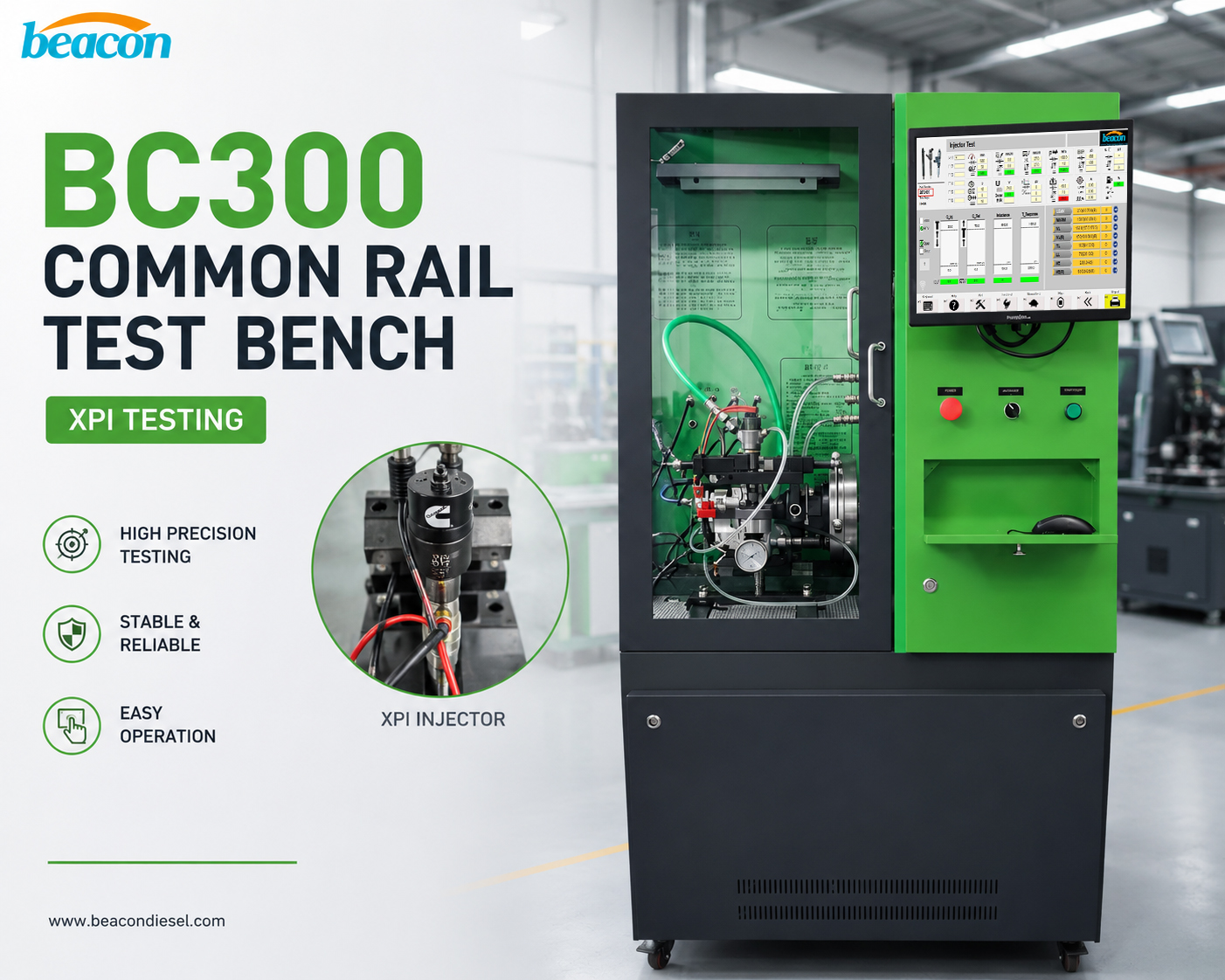
Mastering Professional High Pressure XPI Injector Testing Station: The Ultimate Common Rail Test Bench and Injector and Pump Tester Guide
Jul. 31, 2026Optimize your workshop with our professional high pressure XPI injector testing station. This advanced Common Rail Test Bench and Injector and Pump Tester provides unmatched precision for Cummins XPI systems and global fuel injection calibration needs. (41 words)+ Details
about beacon
PRODUCTS
contact us
TEL: 0086-13583836021
WhatsApp:+86-13583836021
Email: anneli@beacon-machine.com
Add: High Tech Industry Zone of East Tai an city,Shandong Province,China

WhatsApp

Wechat