Language
  EN
EN RU
RU ES
ES DE
DE EL
EL IT
IT JA
JA KO
KO PT
PT ID
ID SR
SR UK
UK VI
VI TH
TH TR
TR MS
MS BE
BE AR
ARHow to Fix When Rail Pressure Cannot Be Established? DRV Valve Cleaning Guide for Your Diesel Test Bench
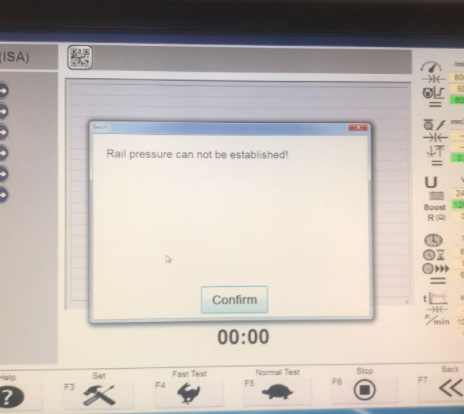
How to Fix When Rail Pressure Cannot Be Established? DRV Valve Cleaning Guide for Your Diesel Test Bench
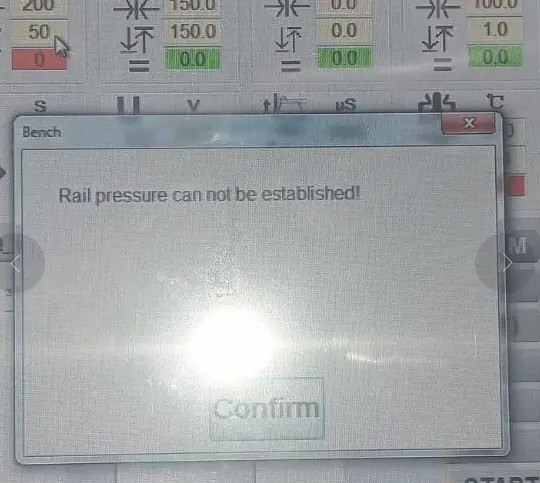
For diesel mechanics, a Diesel Test Bench is the most critical diagnostic tool. However, one of the most frustrating errors during operation is when the machine prompts that the rail pressure cannot be established.
When the screen shows 0 bar or the pressure struggles to rise during testing, your diagnostic work comes to an immediate halt.
In most cases, this pressure failure is not a catastrophic pump breakdown, but rather an issue with the DRV (Pressure Regulating Valve). In this guide, we will walk you through a professional DRV valve cleaning process and explore other common reasons why your diesel test bench fails to build pressure.
The Main Culprit: Why the DRV Valve Fails
The DRV (often located on the common rail pipe or the high-pressure pump) is responsible for controlling the immense fuel pressure. Because a diesel test bench operates continuously, microscopic impurities,
metal shavings, or degraded test oil sludge can bypass the filters and clog the tiny metering holes of the DRV.
When this blockage occurs, the valve gets stuck in the "open" position. Consequently, all the fuel returns to the tank, and the rail pressure cannot be established.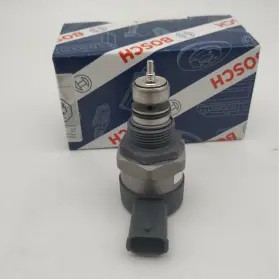
(H2) Step-by-Step: DRV Valve Cleaning with Electrical Contact Cleaner
Because the DRV contains sensitive electromagnetic coils, you cannot soak it in aggressive industrial solvents or water. Here is the correct DRV valve cleaning method:
Remove the Valve: Carefully unscrew the DRV from the rail pipe of your diesel test bench. Ensure no dirt falls into the rail pipe hole.
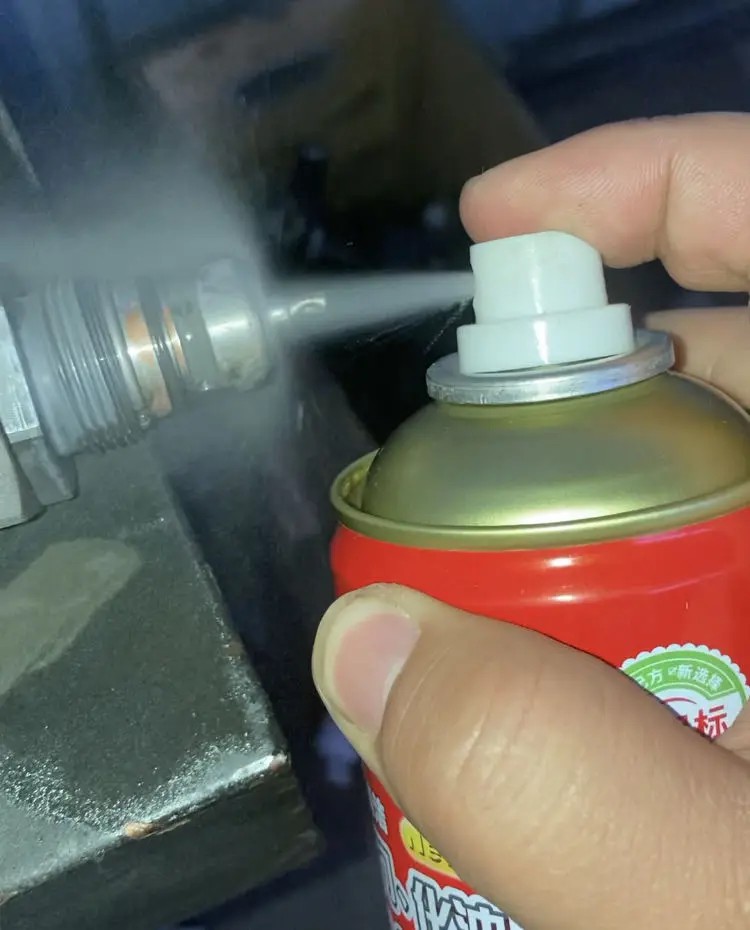
Use Electrical Contact Cleaner: Spray a high-quality electrical contact cleaner directly into the micro-holes at the tip of the DRV. This specialized cleaner effectively dissolves oil sludge and dirt without damaging the internal electrical insulation.
Activate and Flush: If you have a DRV pulse-driving tool, trigger the valve while spraying the cleaner. You will see black, dirty oil sludge being flushed out.
Dry and Reinstall: Let the fast-drying cleaner evaporate completely. Reinstall the valve with a new O-ring seal, and restart your diesel test bench. In 80% of cases, this simple DRV valve cleaning fixes the issue immediately.
Other Causes When Rail Pressure Cannot Be Established
If the DRV valve cleaning did not solve the problem, you need to perform further troubleshooting on your diesel test bench. Check the following potential causes:
Air in the Low-Pressure System: If there is air trapped in the fuel supply lines, the high-pressure pump will only compress air, not fluid. Solution: Manually bleed the low-pressure lines using the prime button on your machine until the oil flows without bubbles.
Leaking High-Pressure Fittings: A loose metal pipe connection or a worn-out copper washer will cause massive internal leaks. Solution: Carefully inspect all fittings connecting the CP3 pump, the rail, and the injectors. Tighten to the correct torque specs.
Faulty CP3 Pump/ZME Valve: If the main driving pump on the diesel test bench is heavily worn, or its ZME (Metering Valve) is stuck closed, no fuel will enter the compression chamber. Solution: Test the pump independently or replace the ZME valve.
Clogged Test Bench Filters: Severely blocked main oil filters will restrict fuel flow to the pump. Solution: Replace the ISO 4113 test oil and all filter elements every 300 hours.
Conclusion
Encountering a situation where rail pressure cannot be established can be stressful, but systematic troubleshooting makes it manageable. By mastering routine DRV valve cleaning and maintaining your equipment's filtration system, you can keep your diesel test bench running at peak performance.
Looking for replacement DRV valves, high-pressure pipes, or a modern equipment upgrade? Browse Our Common Rail Spare Parts Here or contact our technical support team for assistance!
Related products
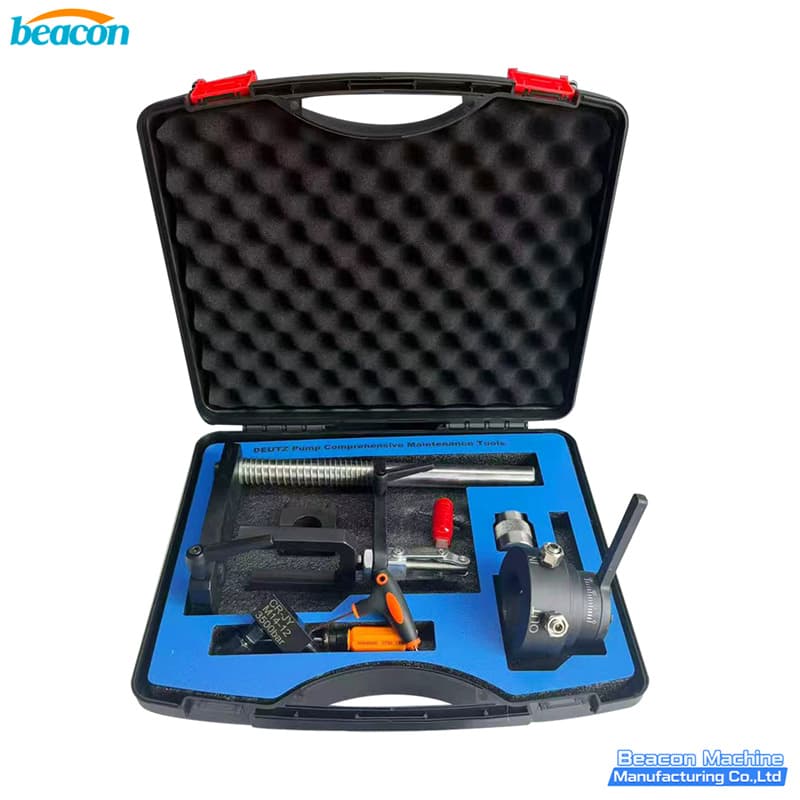
BEACON MACHINE G1-31 Professional Deutz Diesel Unit Pump Maintenance Tools | Heavy Duty Unit Pump Repair Kit
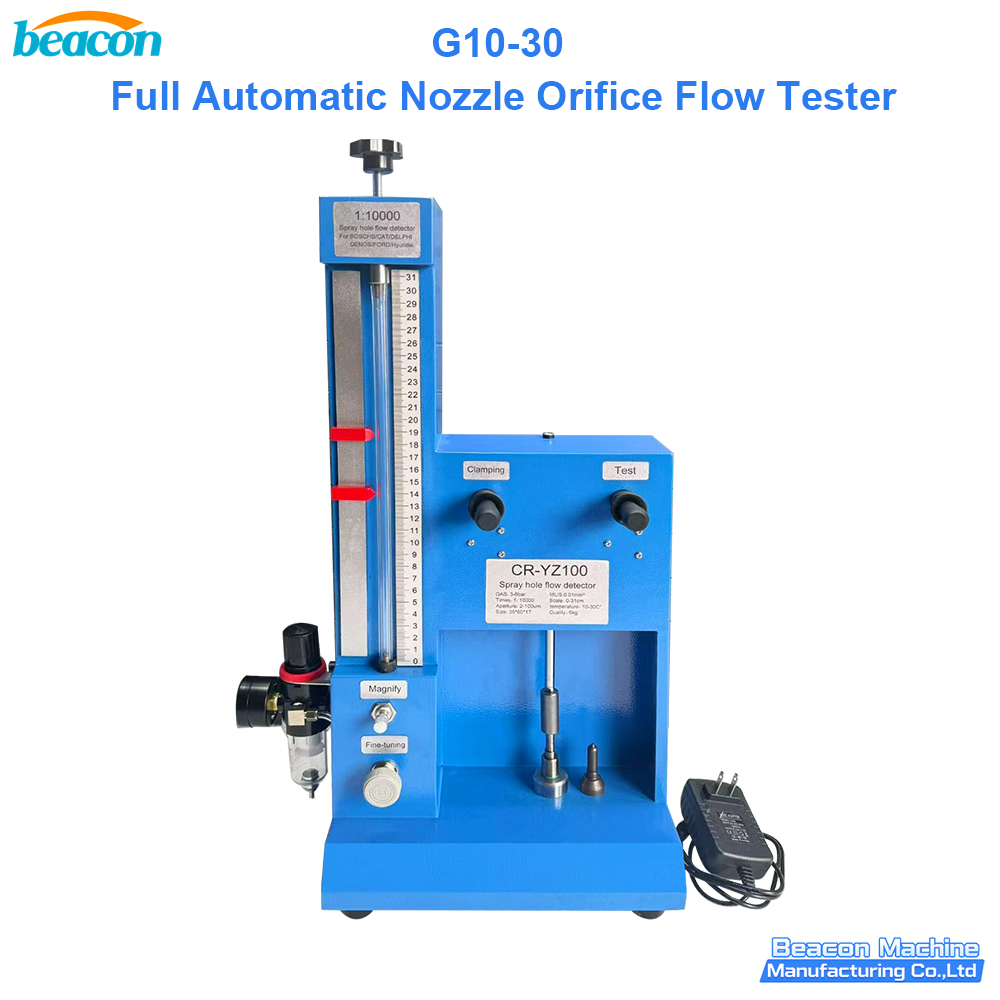
G10-30 High Precision Automatic Nozzle Orifice Flow Measurement Instrument | Professional Nozzle Orifice Flow Tester BEACON MACHINE
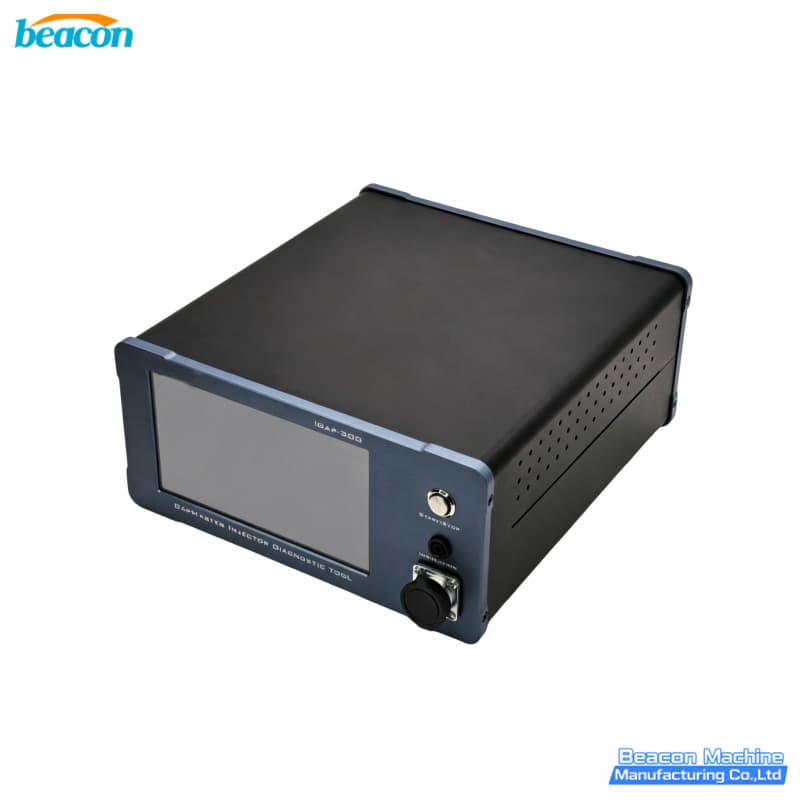
Professional Piezo and Solenoid Injector Calibration Station I-GAP300 | Piezo Injector Tester - BEACON MACHINE
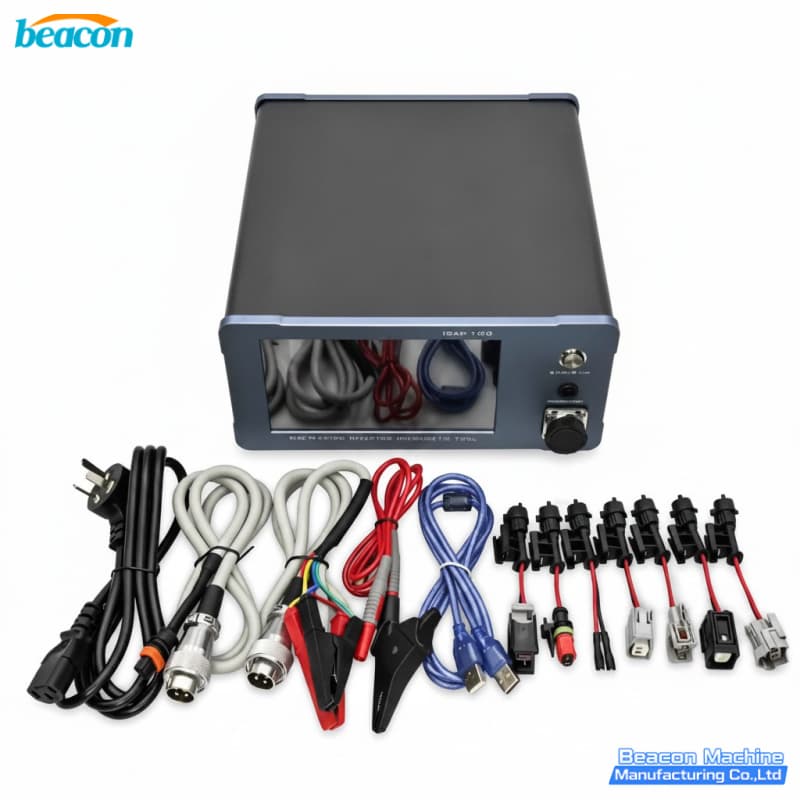
Common Rail Injector Diagnostic Tool I-GAP100 | Common Rail Injector Tester - BEACON MACHINE
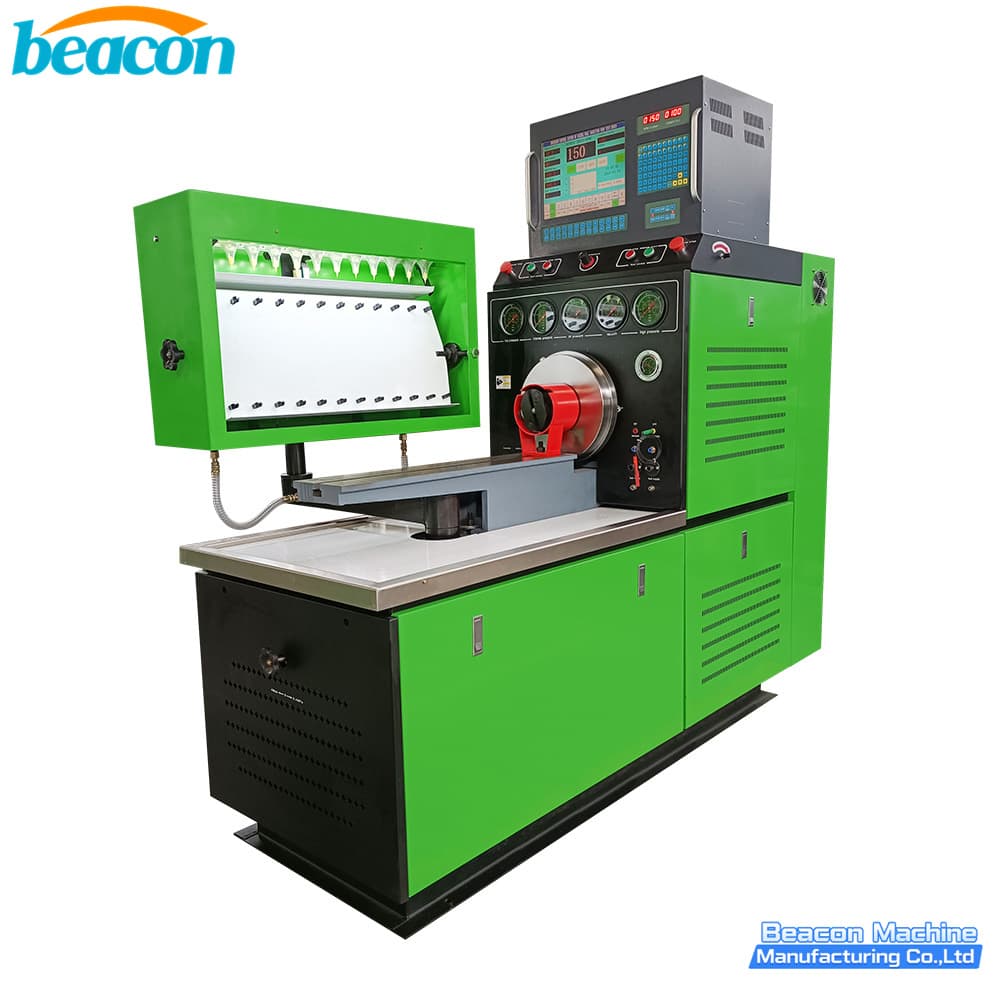
BCS619 High-Precision Mechanical Pump Calibration Station | Diesel Pump Test Bench - BEACON MACHINE
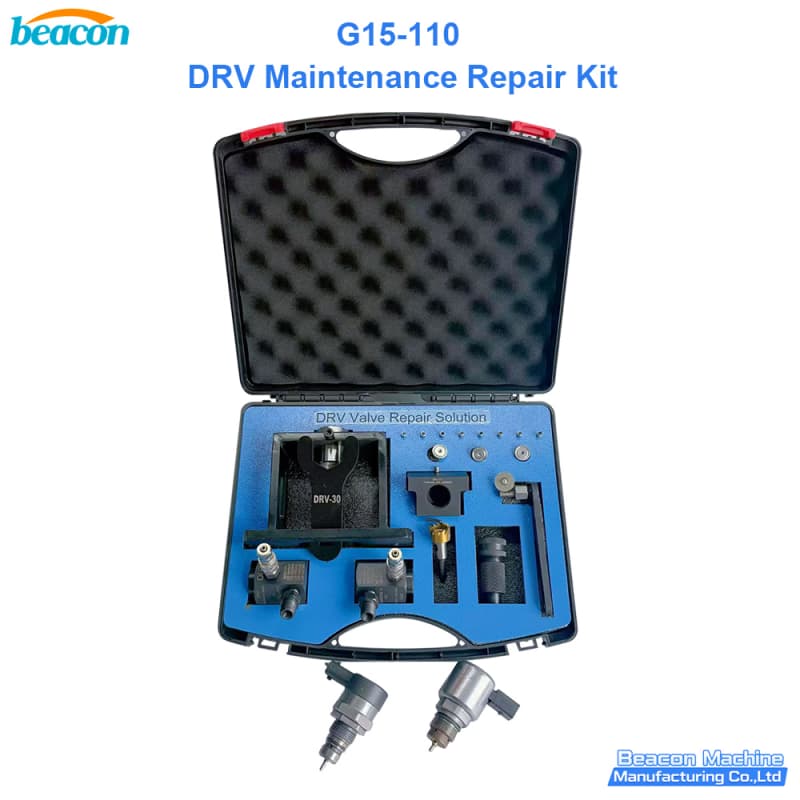
G15-110 Professional Common Rail Pressure Control Valve Service Kit | Diesel DRV Repair Toolset
Related News
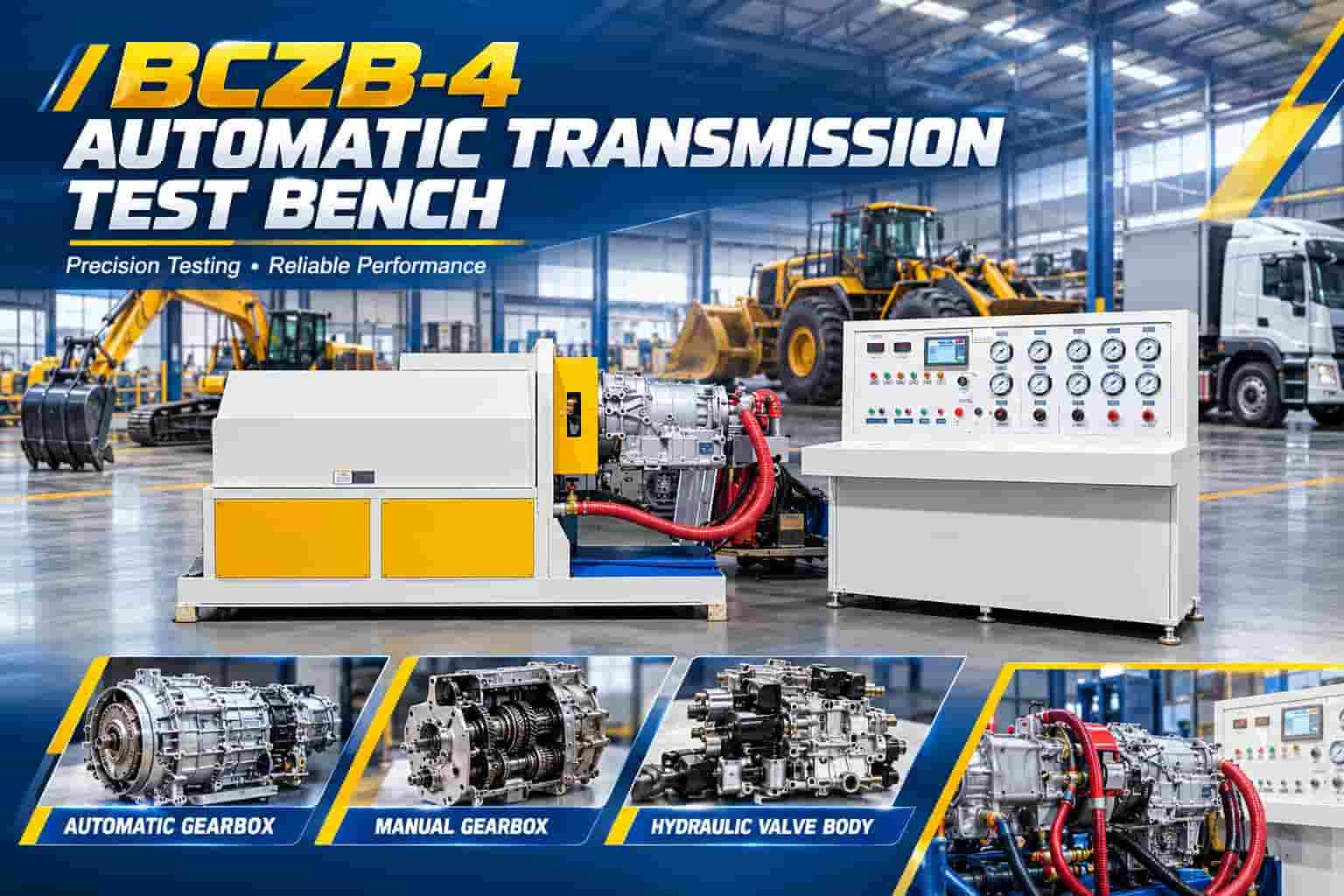
Professional ZF-Ecolife Transmission Test Bench & Automatic Gearbox Diagnostic Solution: Solving ZF 6AP 1200 B Transmission Pressure Loss and Gearbox Faults BEACON MACHINE
Oct. 15, 2026Maximize workshop precision with our Automatic transmission test bench. Designed for ZF 6AP 1200 B transmission service, this gearbox diagnostic solution identifies ZF-Ecolife pressure loss and valve body malfunctions in heavy-duty commercial vehicles and bus transmissions.+ Details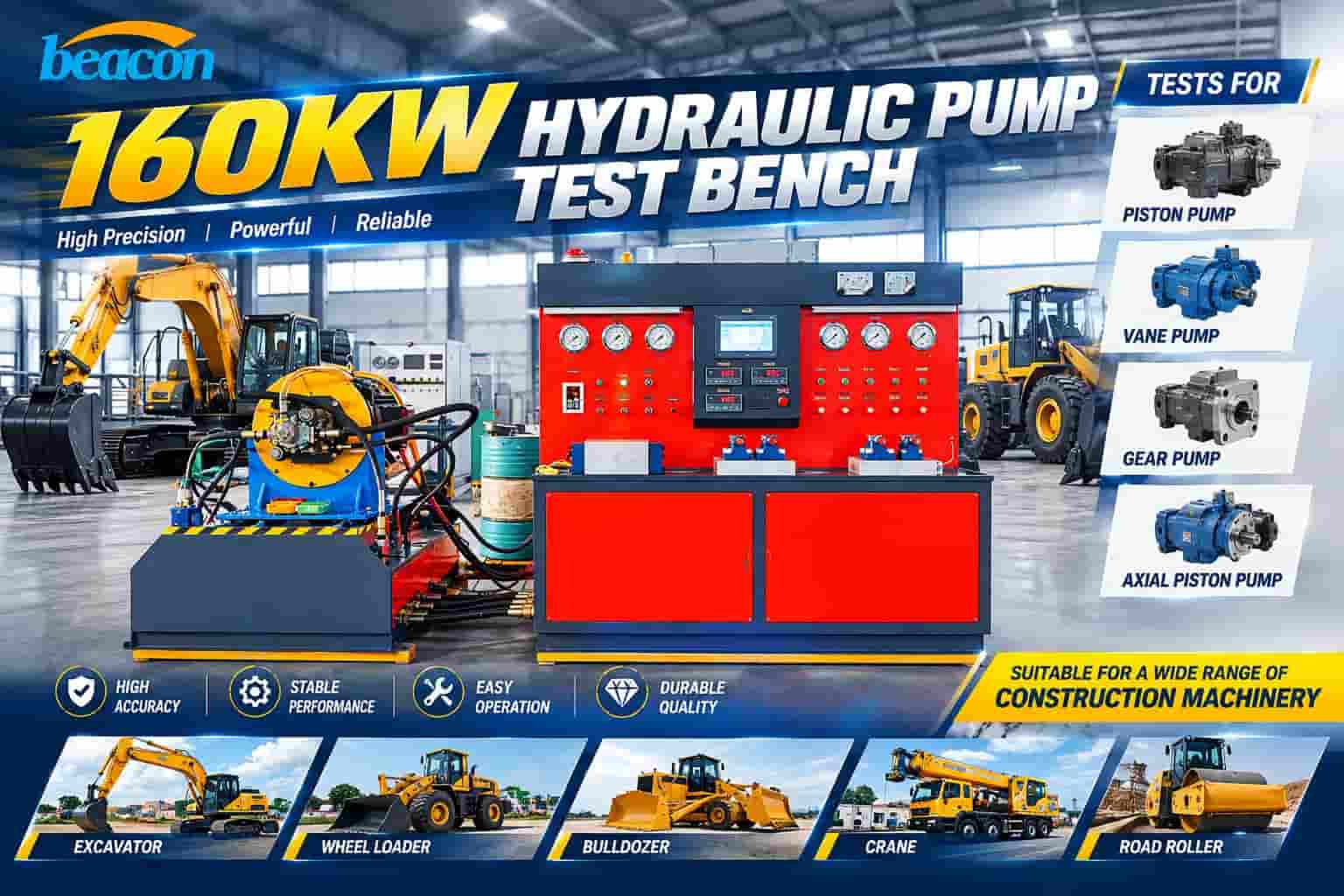
The Definitive Guide to Industrial Hydraulic Pump Testing: High-Pressure Performance Diagnostics for Heavy-Duty Engines and Machinery with the HP-B Test Bench BEACON MACHINE
Oct. 15, 2026Optimize your maintenance workflow with our professional Hydraulic Pump Test Bench. Achieve superior high-pressure hydraulic pump diagnostics for mining, marine, and construction machinery. BEACON MACHINE provides the ultimate heavy-duty industrial hydraulic system repair solution for global workshops requiring OEM-level precision calibration.+ Details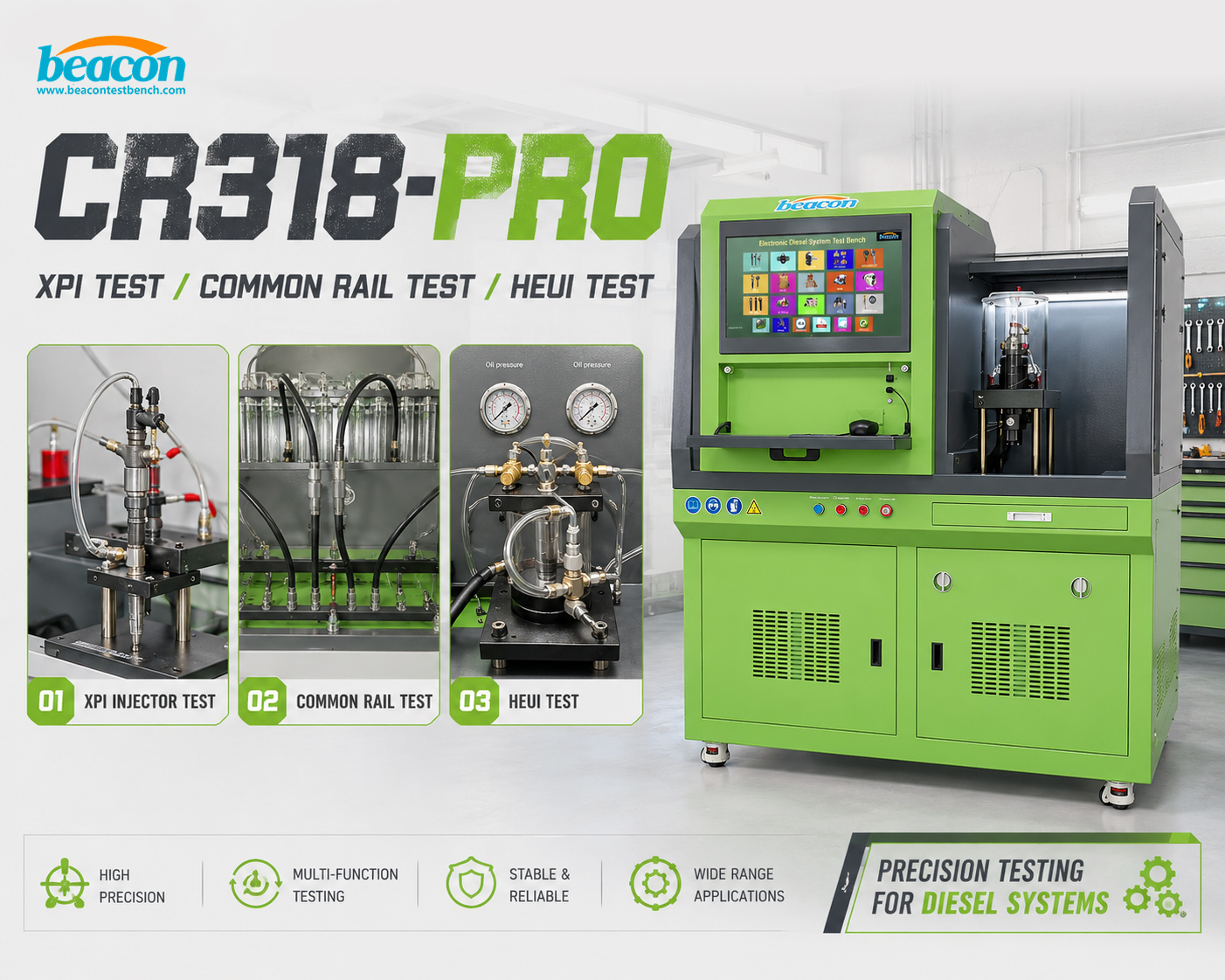
Mastering the Comprehensive Diesel Injection System Diagnostic Solution: The Ultimate Common Rail Test Bench and HEUI Test Stand Guide
Aug. 31, 2026Optimize your workshop with our comprehensive diesel injection system diagnostic solution. This advanced Common Rail Test Bench and HEUI Test Stand provides precision testing for XPI, CR, and HEUI systems, ensuring OEM-level performance for global diesel service centers. (41 words)+ Details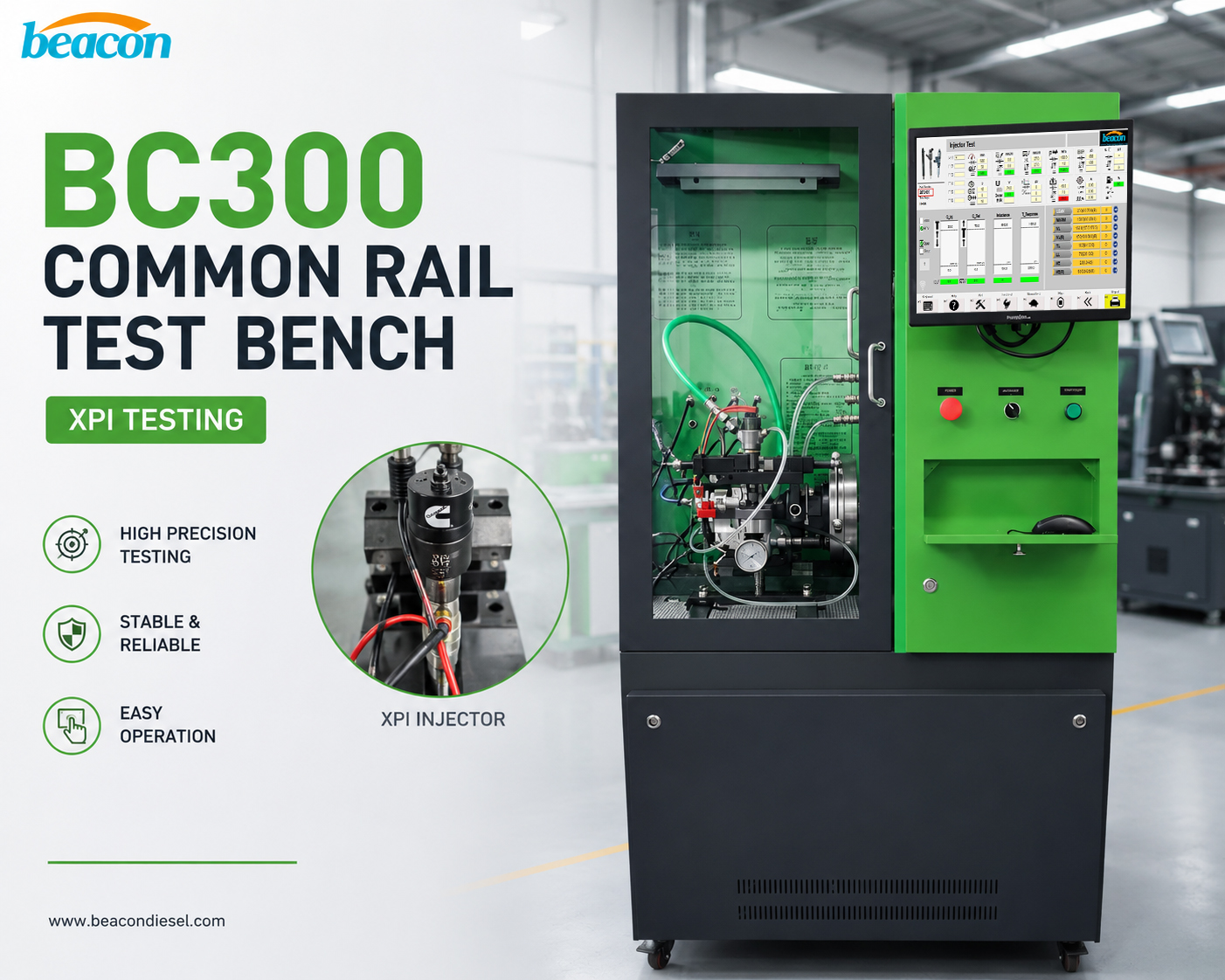
Mastering Professional High Pressure XPI Injector Testing Station: The Ultimate Common Rail Test Bench and Injector and Pump Tester Guide
Jul. 31, 2026Optimize your workshop with our professional high pressure XPI injector testing station. This advanced Common Rail Test Bench and Injector and Pump Tester provides unmatched precision for Cummins XPI systems and global fuel injection calibration needs. (41 words)+ Details
about beacon
PRODUCTS
contact us
TEL: 0086-13583836021
WhatsApp:+86-13583836021
Email: anneli@beacon-machine.com
Add: High Tech Industry Zone of East Tai an city,Shandong Province,China

WhatsApp

Wechat