Language
  EN
EN RU
RU ES
ES DE
DE EL
EL IT
IT JA
JA KO
KO PT
PT ID
ID SR
SR UK
UK VI
VI TH
TH TR
TR MS
MS BE
BE AR
ARYLD Single-Sided Vertical Balancing Machine: Master the Single-Plane Vertical Balancing Machine Operation Flow & High-Precision Disc-Shaped Rotor Balancing Technology
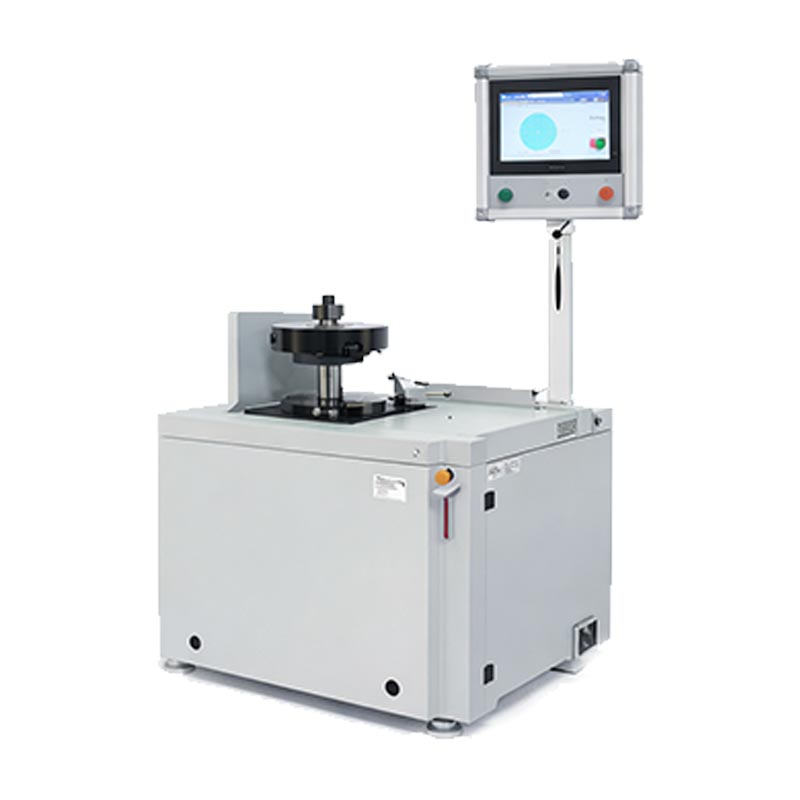
YLD Single-Sided Vertical Balancing Machine: Master the Single-Plane Vertical Balancing Machine Operation Flow & High-Precision Disc-Shaped Rotor Balancing Technology
In the manufacturing of automotive parts, pump components, and industrial machinery, controlling the vibration of disc-shaped rotors is critical for product longevity and safety. To address these industry demands, the YLD single-sided vertical balancing machine has emerged as the ultimate solution. Designed specifically for parts that do not possess their own journals, this equipment delivers unmatched accuracy and efficiency.
In this article, we will delve into the advanced balancing mechanics of this equipment and provide a comprehensive guide on the single-plane vertical balancing machine operation flow, helping you leverage high-precision disc-shaped rotor balancing technology for your production lines.
1. Why the YLD Single-Sided Vertical Balancing Machine Stands Out
Unlike horizontal balancing machines, the YLD single-sided vertical balancing machine rotates the workpiece on a vertical axis. This design is highly advantageous for disc-shaped components such as flywheels, pulleys, clutch pressure plates, brake discs, saw blades, and centrifugal pump impellers.
Core Technological Advantages:
Space-Saving Ergonomic Design: The vertical orientation makes loading and unloading heavy disc rotors significantly easier, reducing operator fatigue and increasing throughput.
High-Precision Spindle: Equipped with a precision-machined mechanical spindle, it ensures that the high-precision disc-shaped rotor balancing technology is applied flawlessly, minimizing tooling compensation errors.
Advanced Microcomputer System: The machine integrates an intuitive touchscreen measurement system that instantly calculates the exact unbalance mass and its corresponding phase angle, making industrial single-plane dynamic balancing simple and intuitive.
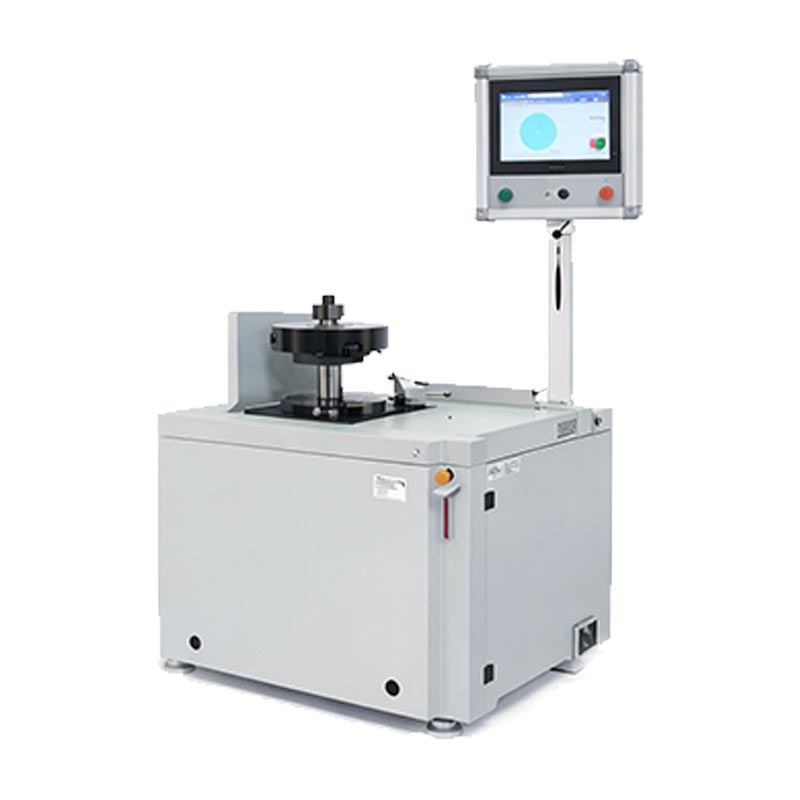
2. Step-by-Step: Single-Plane Vertical Balancing Machine Operation Flow
To maximize the capabilities of your equipment, standardizing your operating procedures is a must. Here is the standard single-plane vertical balancing machine operation flow to guarantee accurate and repeatable test results:
Step 1: Tooling Installation & Calibration
Before placing the workpiece, secure the appropriate fixture (tooling) onto the machine's precision spindle. Because vertical balancing heavily relies on the concentricity of the fixture, ensure the mounting surface is completely free of dust and debris.
Step 2: Workpiece Clamping & Angle Reference
Carefully place the disc-shaped rotor (e.g., a brake disc or flywheel) onto the fixture and lock it securely. The machine features a precise 360-degree angle dial on the spindle base, which is crucial for locating the exact position for weight addition or removal.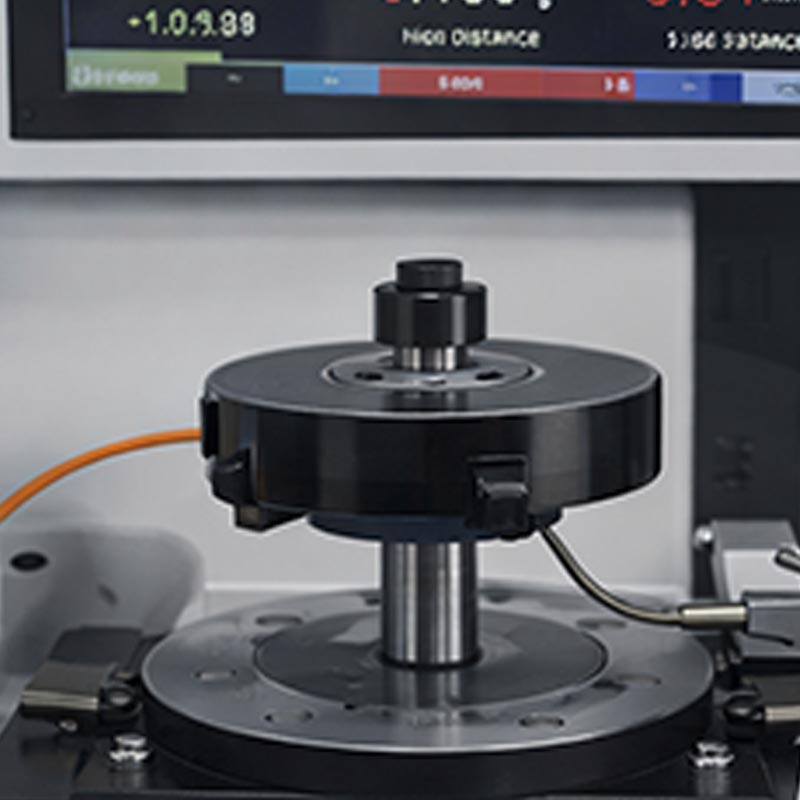
Step 3: Parameter Input via Touchscreen
Power on the measurement system. On the touchscreen interface, input the necessary rotor parameters. For single-plane balancing, you primarily need to input the calibration radius (the radius at which you plan to add or remove weight). Setting this accurately is the foundation of the single-plane vertical balancing machine operation flow.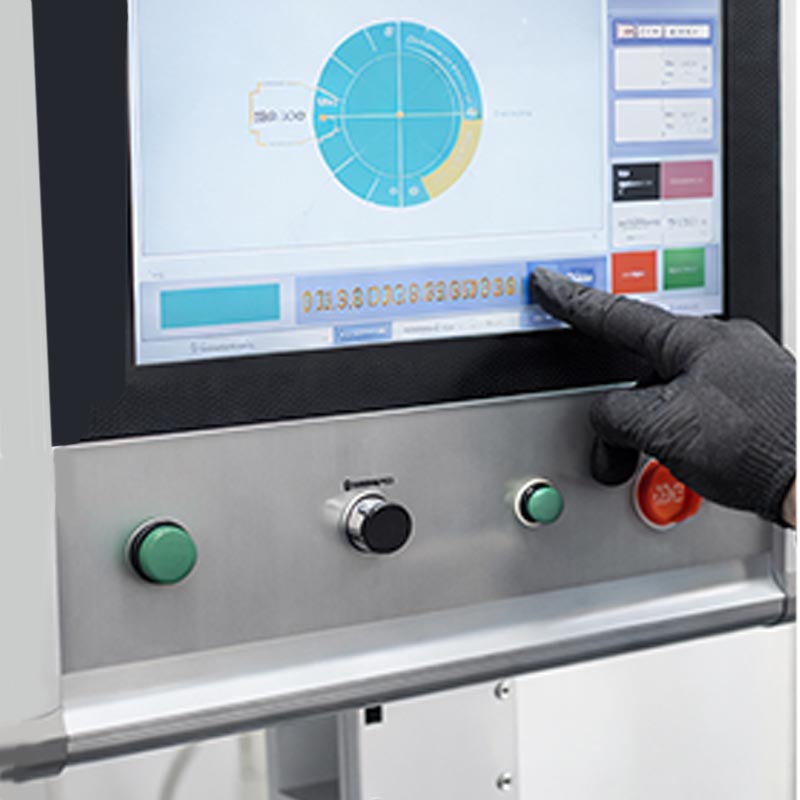
Step 4: Measurement Run
Press the start button. The machine will rotate the workpiece to the pre-configured testing speed. Within seconds, the system will capture the vibration signals and display the unbalance amount (in grams) and the specific angle (in degrees) on the screen.
Step 5: Unbalance Correction (Weight Removal/Addition)
Once the spindle stops completely, use the 360-degree dial to rotate the workpiece to the indicated phase angle. Depending on your manufacturing process, perform weight removal (such as drilling or milling) or weight addition (welding counterweights) at the exact specified radius and angle. This is the core execution of the high-precision disc-shaped rotor balancing technology.
Step 6: Verification Retest
Start the machine again to verify the correction. If the residual unbalance falls within your acceptable ISO tolerance limits (e.g., G6.3 or G2.5), the balancing process is complete. The system can then export or print a detailed balancing report for quality control.
3. Maintenance Tips for Long-Term Precision
To maintain the accuracy of your YLD single-sided vertical balancing machine, always handle the spindle and fixtures with care to prevent impact damage. Regularly apply anti-rust oil to the tooling surfaces and schedule an annual calibration of the piezoelectric sensors and the measuring system.
By strictly following the single-plane vertical balancing machine operation flow, your facility will achieve superior product quality, reduced vibration noise, and extended lifespan for all disc-shaped rotary components.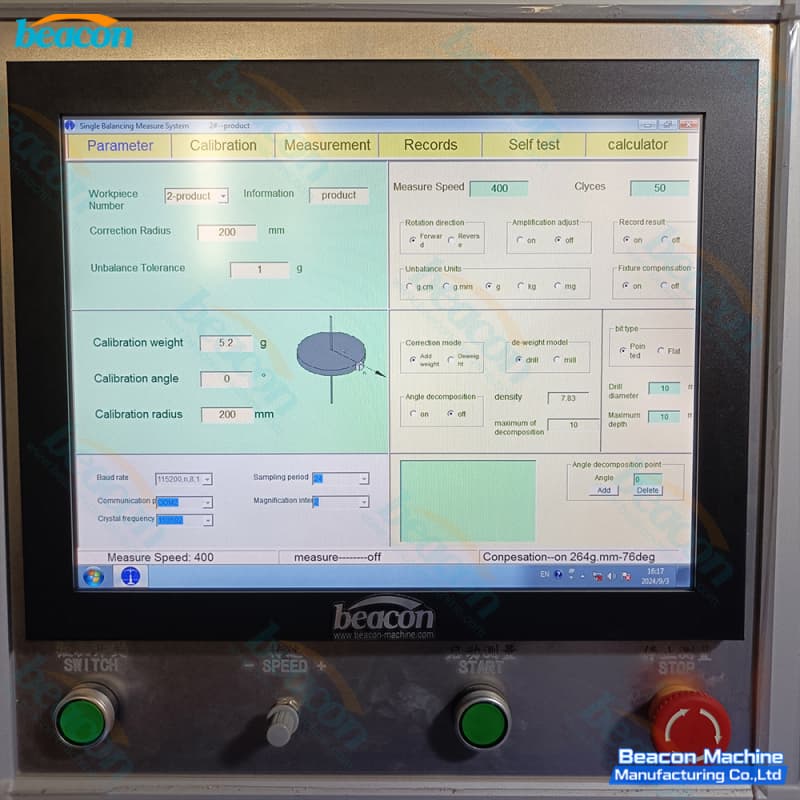
Related products
Industrial Common Rail Injector Nozzle Mating Face Grinding Machine G14-71 | BEACON MACHINE Diesel Nozzle Resurfacing Tool
CR910 Diesel Fuel Pump Test Bench Common Rail Injector Tester | BEACON MACHINE
CR919 PLUS Common Rail Test Bench Diesel Fuel Injection Pump Tester | BEACON MACHINE

Industrial 8-Channel Common Rail Injector Durability Test Bench BC-NJ | BEACON MACHINE Multi-Cylinder Diesel Injector Tester

Automatic Solenoid Valve Grinding Platform G14-73 AT100 | BEACON MACHINE Common Rail Valve Seat Polisher

Heavy Duty DAF F2D F2P Injector Disassembly Tool G4-106 | BEACON MACHINE DPF Fuel Doser Repair Kit
Related News
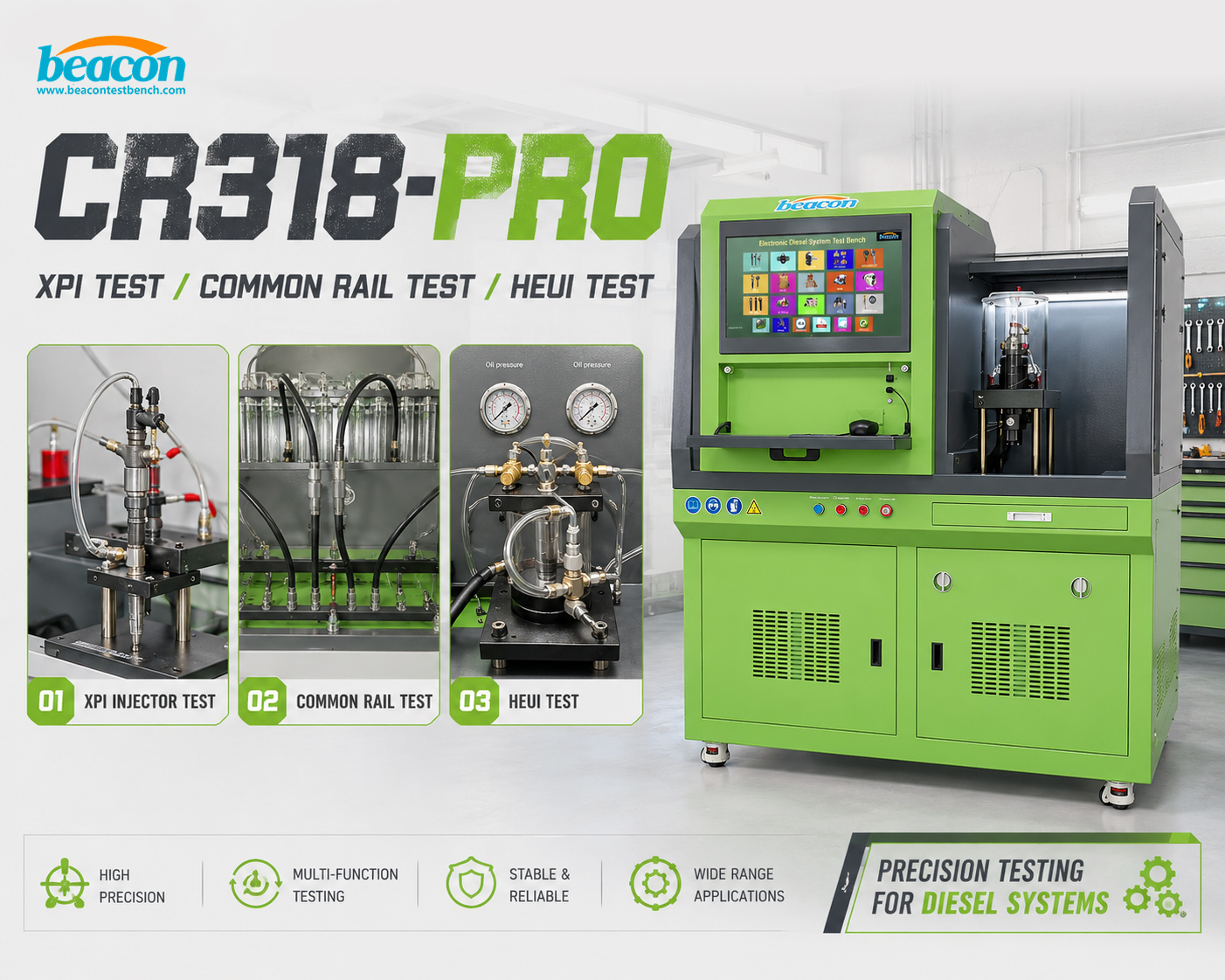
Mastering the Comprehensive Diesel Injection System Diagnostic Solution: The Ultimate Common Rail Test Bench and HEUI Test Stand Guide
Aug. 31, 2026Optimize your workshop with our comprehensive diesel injection system diagnostic solution. This advanced Common Rail Test Bench and HEUI Test Stand provides precision testing for XPI, CR, and HEUI systems, ensuring OEM-level performance for global diesel service centers. (41 words)+ Details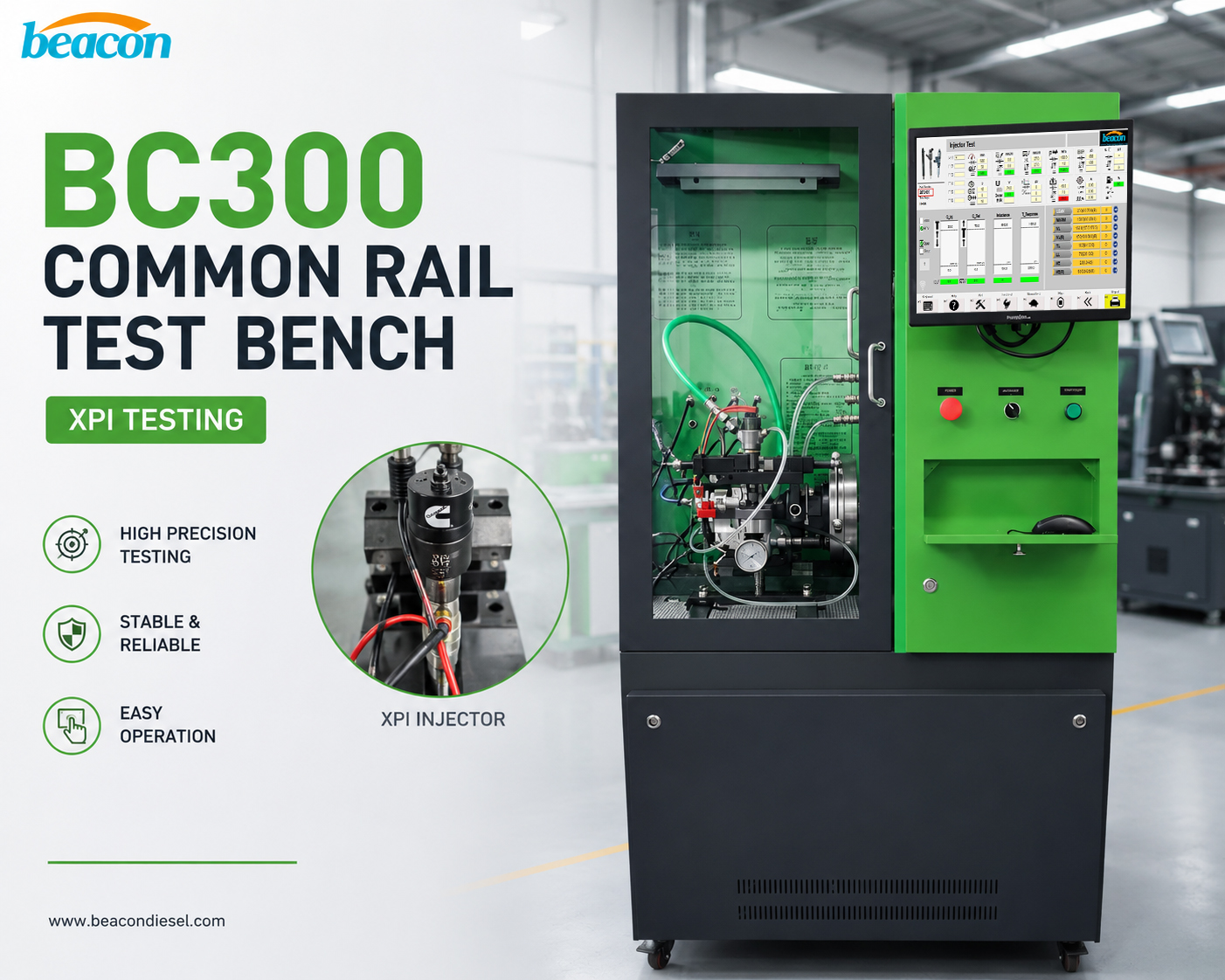
Mastering Professional High Pressure XPI Injector Testing Station: The Ultimate Common Rail Test Bench and Injector and Pump Tester Guide
Jul. 31, 2026Optimize your workshop with our professional high pressure XPI injector testing station. This advanced Common Rail Test Bench and Injector and Pump Tester provides unmatched precision for Cummins XPI systems and global fuel injection calibration needs. (41 words)+ Details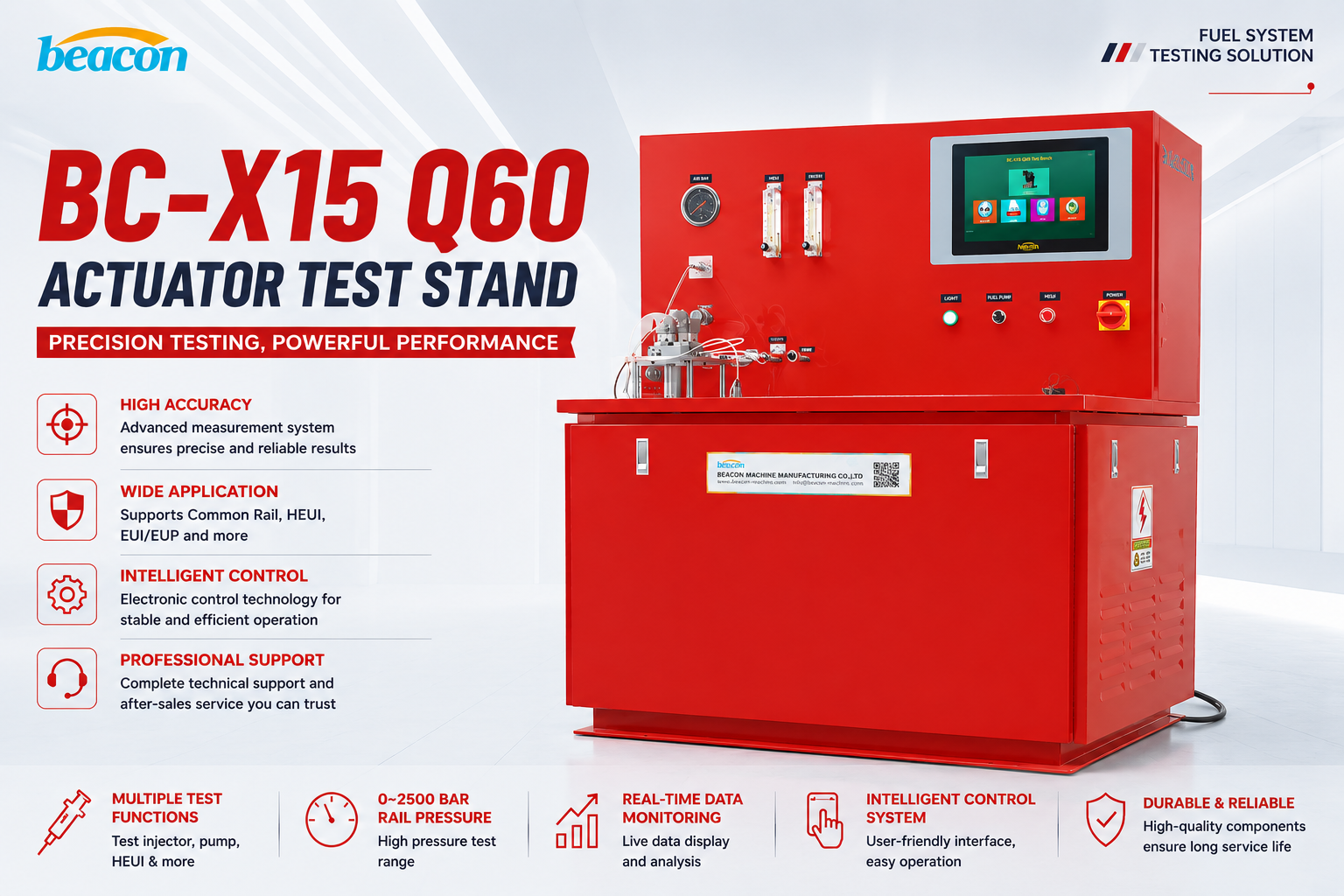
Ultimate Guide to Professional Q60 Fuel System Calibration Equipment: The Best Cummins HPI Test Bench and Fuel Injection Test Bench for Workshops
Jul. 15, 2026Optimize heavy-duty engine repairs with our professional Q60 fuel system calibration equipment. This industry-leading Cummins HPI Test Bench and Fuel Injection Test Bench provides unmatched precision for X15 and Q60 systems, ensuring OEM-level performance for global service centers.+ Details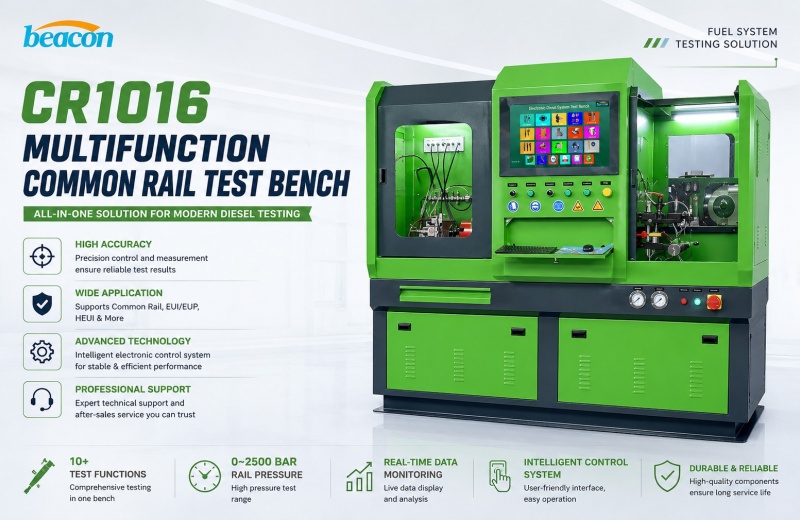
Enhancing Workshop Accuracy with the CR1016 Multi-function Common Rail Calibration Solution: The Ultimate Common Rail Test Bench and Diesel Injector Tester Guide
Jun. 12, 2026Upgrade your repair facility with the CR1016 multi-function common rail calibration solution, a premier common rail test bench and diesel injector tester. Optimize performance for Bosch, Denso, and Delphi fuel systems with precision automated diagnostic reporting today. (41 words)+ Details
about beacon
PRODUCTS
contact us
TEL: 0086-13583836021
WhatsApp:+86-13583836021
Email: anneli@beacon-machine.com
Add: High Tech Industry Zone of East Tai an city,Shandong Province,China

WhatsApp

Wechat